This guest post was written by the team at Groover.

For indie artists, playlisting has become a very powerful way to get heard. With millions of tracks uploaded to platforms like Spotify every year, playlists act as modern-day radio, helping listeners discover new music and giving artists a chance to reach entirely new audiences.
But getting your music onto playlists isn’t just about luck. A strong playlist strategy can significantly increase your streams, attract new listeners, and even trigger algorithmic recommendations that keep your music circulating long after release day.
In this guide, we’ll break down how playlisting works, why it matters, and how to contact the right playlists curators using innovative tools like Groover, and how to build a strategy that will actually grow your fanbase.
Why Playlists Matter More Than Ever
Streaming platforms rely heavily on playlists to drive discovery. From editorial playlists curated by Spotify to algorithmic ones like Release Radar, playlists shape what listeners hear every day.
For artists, landing on the right playlists can bring immediate exposure. However, the real value goes beyond a simple stream count. Playlist placements can:
-
Introduce your music to listeners who don’t know you yet
-
Increase your chances of being picked up by algorithmic playlists
-
Build momentum for future releases
User-generated playlists in particular often act as a gateway to larger algorithmic and editorial playlists, making them an important first step for emerging artists. In short: playlists are not just promotional tools, they’re discovery engines.
Understanding The Different Types of Playlists
1. Editorial Playlists
These are curated by the streaming platforms themselves (e.g., Spotify editors). Getting featured on one can massively increase exposure, but they’re also highly competitive.
To pitch to editorial playlists on Spotify, artists must submit their unreleased tracks through Spotify for Artists before release day. This allows editors to review the song and potentially include it in relevant playlists.
2. Algorithmic Playlists
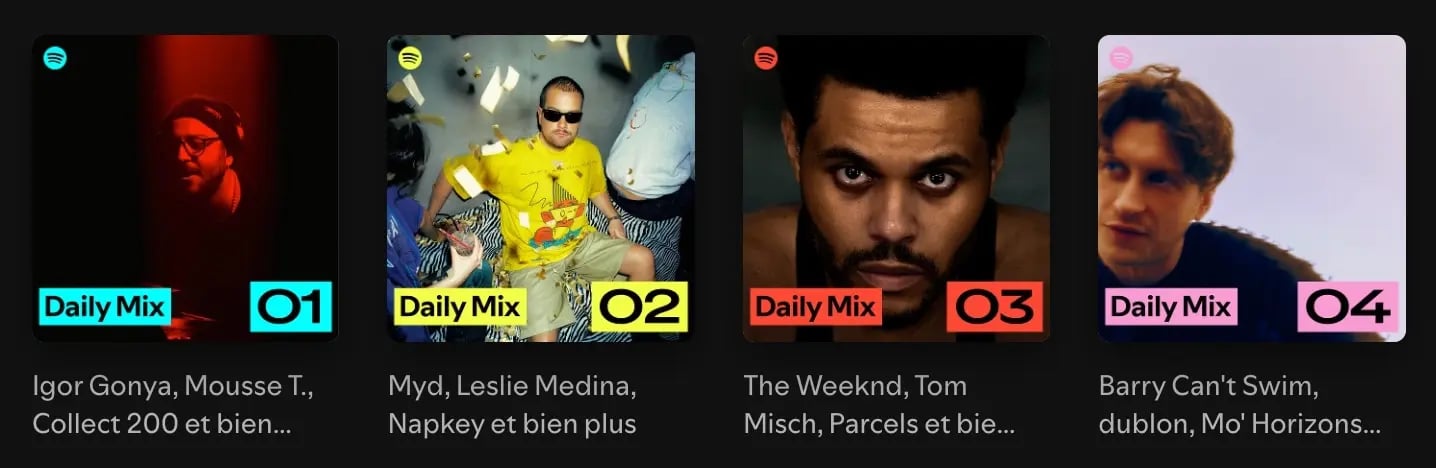
These include playlists such as Release Radar, Discover Weekly or Daily Mix. These playlists are personalized for each listener and driven by metrics like saves, follows, and listening behavior.
The more engagement your track receives early on (getting about 10,000 streams within the first 28-days for Weekly Discover for instance), the more likely it is to appear in these algorithmic recommendations.
3. User-Generated Playlists
Independent curators and music fans create millions of playlists across streaming platforms. These playlists are often easier to access and can generate consistent streams.
Many artists build their playlisting momentum here first before gaining attention from larger editorial playlists. Bonus: You can also built your own playlist to share your influences, get your fans to save it and if it becomes influential enough, trade placements with other playlists curators.
How To Build a Winning Playlist Strategy
1. Optimize Your Artist Profile
Before pitching your music anywhere, make sure your artist profile looks professional. Curators often check:
-
Your Spotify bio and photos
-
Social media presences
-
Previous releases and branding
A complete and polished profile signals that you’re serious about your career and increases the chances of playlist support.
2. Release Music Strategically
Your release strategy plays a huge role in playlist success as consistent releases help keep your music active in the algorithm and maintain your listeners engaged. Many artists find success by releasing singles regularly instead of long gaps between projects. Frequent releases also increase the chances of landing in algorithmic playlists like Release Radar.
3. Craft a Strong Pitch
Playlist curators receive dozens (sometimes hundreds) of submissions daily, so your pitch must definitely stand out. A great pitch should include:
-
A clear description of your track’s vibe
-
Influences or similar artists
-
The story behind the song
-
Why it fits the specific playlist (you could explain what you liked in the curation for instance)
Personalizing your pitch is key as generic messages rarely work, curators are much more responsive when you show you understand their playlist and audience. Think of it as introducing your music to someone who loves discovering new sounds. A method that can help is introducing your song in a specific context - “this is the perfect song for a late night drive…”
4. Target The Right Playlists
One of the biggest mistakes artists make is pitching their music to playlists that don’t match their sound. Instead, focus on playlists that align with your genre, the mood of your track, similar artists in your space.
The closer the fit, the higher the chance of being accepted, and the more engaged the listeners will be.
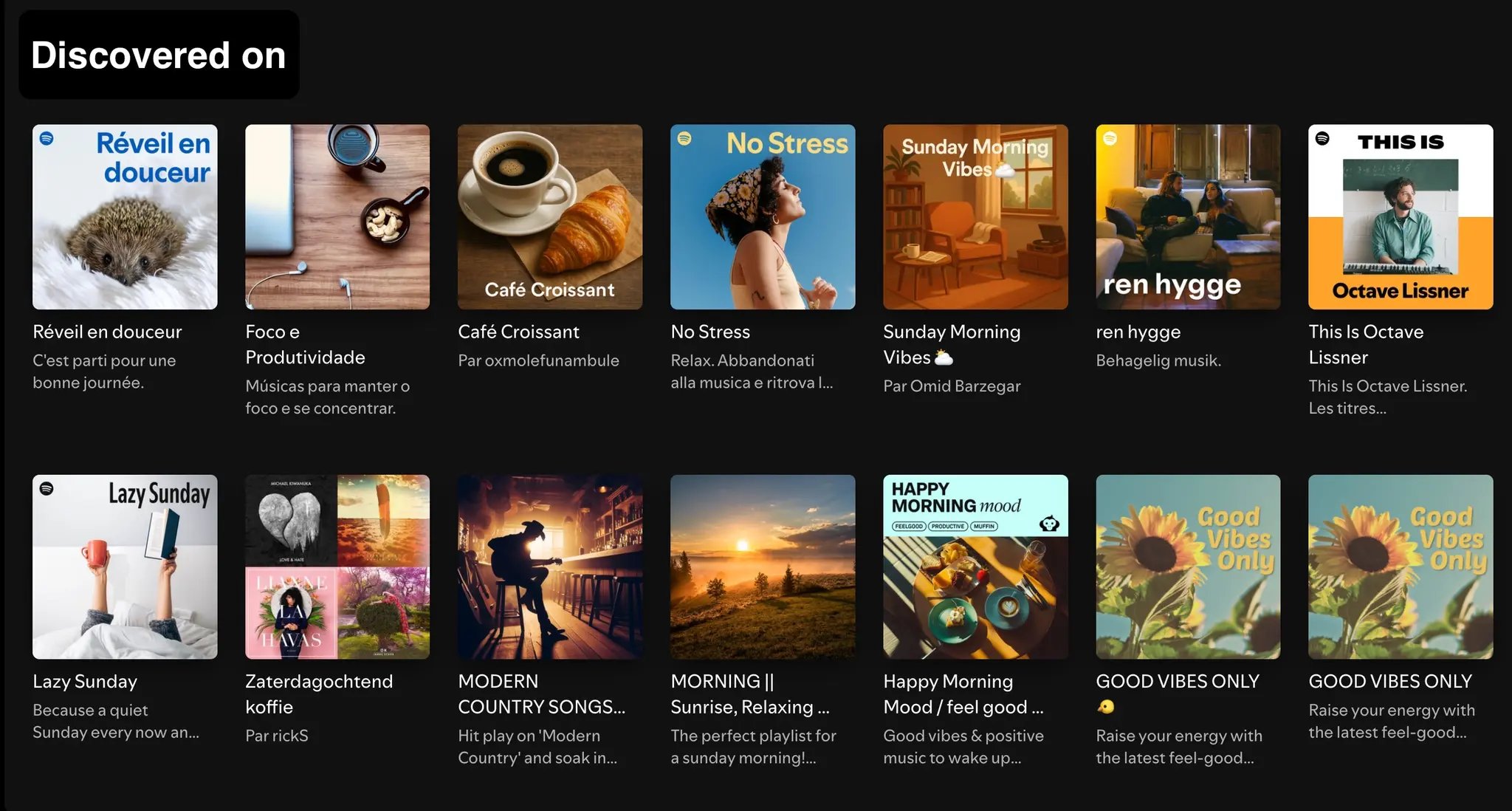
An great way to find independent playlists curators that could match with your music is to go on the Discovered On section on Spotify, on artists’s profiles that make similar music to yours. You’ll see which playlists shared their music, and could be more likely to share yours.
Another great way is to have a look at playlists directories like Groover or Chartmetric.
5. Contact Curators Efficiently
Contacting the playlist curators you identified requires a mix of research, personalization, and persistence. You can look for their contact information, reach out directly via email or social media, and always keep a professional and friendly approach.
Another great way to do so is to use platforms like Groover: it allows you to submit your music directly to a network of playlist curators, as well as media outlets, radio stations, labels and other music professionals. The key advantage is that your track is guaranteed to be listened to and receive feedback, helping you understand how industry tastemakers perceive your music.
By targeting the right curators based on genre, audience, and platform, you can reach playlists that really match your music, and get placements into several independent playlists, which can be a great booster and give positive signs to the algorithm.
.webp?width=2040&height=1350&name=Screenshot_2025-01-23_at_2.08.30_PM_(6).webp)
6. Build Relationships with Curators
Playlisting isn’t just about sending links, and like many aspects of the music industry, it’s also about relationships. Independent curators, bloggers, and tastemakers often support artists they discovered early. If they like your music, they may include your future releases or even share your work beyond their playlists.
Maintaining genuine connections with curators can turn one placement into long-term exposure opportunities. Don’t hesitate to take the time to build these relations, and to send new releases to curators that already supported you in the past, they’ll be more likely to share your music again!
7. Promote Your Playlist Placements
Getting playlisted is only the beginning. To maximize the impact, it’s important to:
- Share your placements on social media
- Encourage your fans to save your track
- Promote the playlist itself (it’s also a great way to thank the curator that supported you)
This additional engagement helps signal to streaming platforms that listeners are responding positively to your music. The more engagement your song receives, the more likely it is to reach new listeners through recommendations.
Turning Playlist Streams Into Real Fans
One common misconception is that playlist streams automatically create loyal fans. In reality, playlists are often passive listening environments. To convert listeners into fans, you need to:
- Maintain an active social media presence
- Encourage listeners to follow you
- Release new music consistently
- Engage with your audience beyond streaming platforms via live events, merch, exclusive content and other creative ideas you may have
The goal isn’t just to collect streams, it’s to build a real community around your music.
Conclusion
Playlisting has become an important tool for music discovery, and when used strategically, it can help artists reach new audiences, grow their streams, and build lasting momentum.
But success rarely happens overnight. The most effective playlist strategies combine consistent releases, targeted pitching, strong branding, and genuine relationships with curators.
Think of playlisting as part of a larger ecosystem: it’s not just about getting your song heard today, it’s about creating opportunities for listeners to discover your music again and again.