
SONGTRUST
BLOG
Browse By Topic
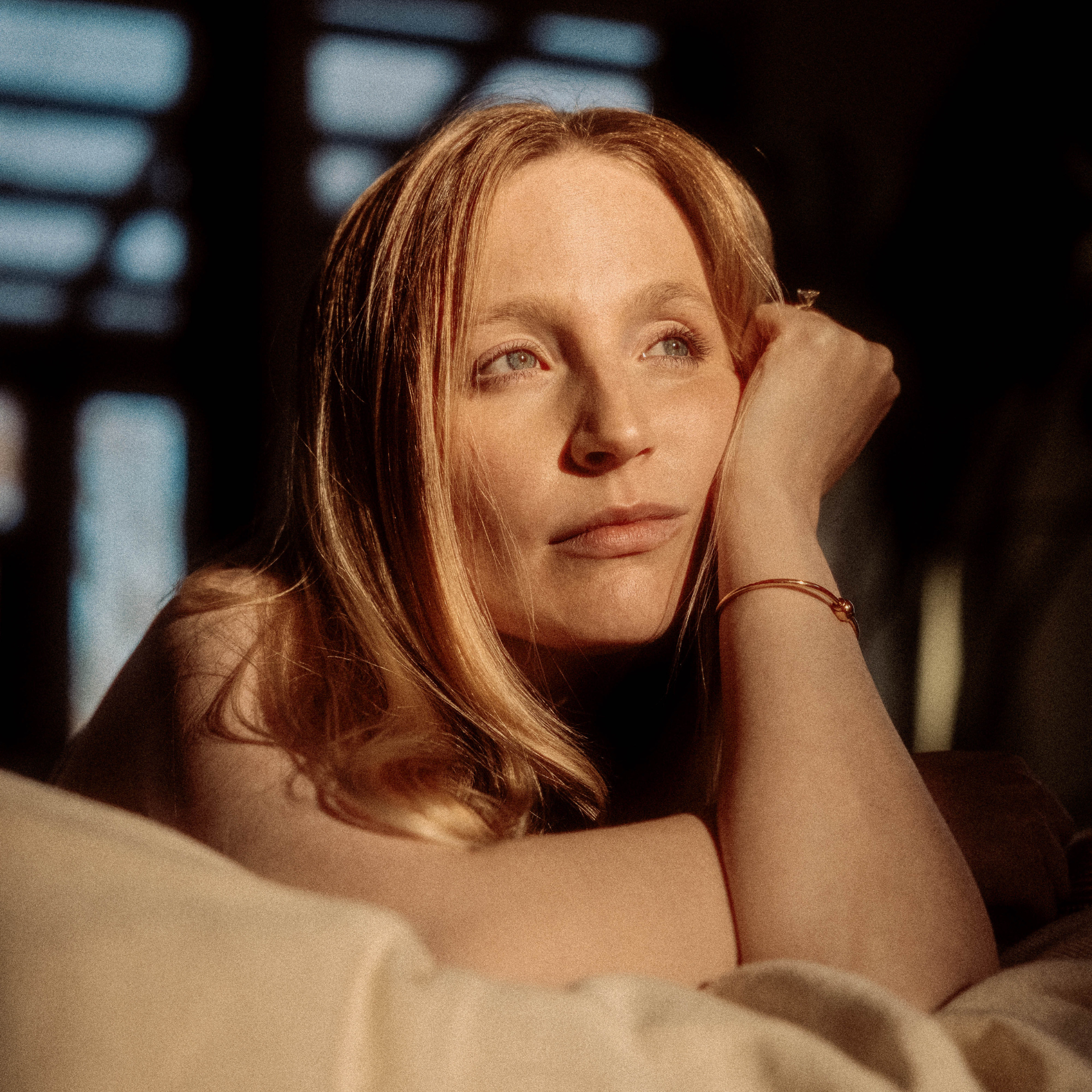
Eva Snyder is an indie singer-songwriter from South Hadley, MA. She found her home away from home in the Outer Cape, but is now based in Nashville where she blends her coastal roots with the breeze...
Eva Snyder is an indie singer-songwriter from South Hadley, MA. She found her home away from home in the Outer Cape, but is now based in Nashville where she blends her coastal roots with the breeze...
YouTube remains the internet’s largest video search engine and one of the most powerful platforms for full-length music discovery. While short-form platforms like TikTok or Instagram may be where...

Austin Farwell is one of the most streamed Pianists in the United States drawing from influences from Chopin, Erik Satie, Bach, Yann Tiersen, Yiruma, and Ludovico Einaudi.
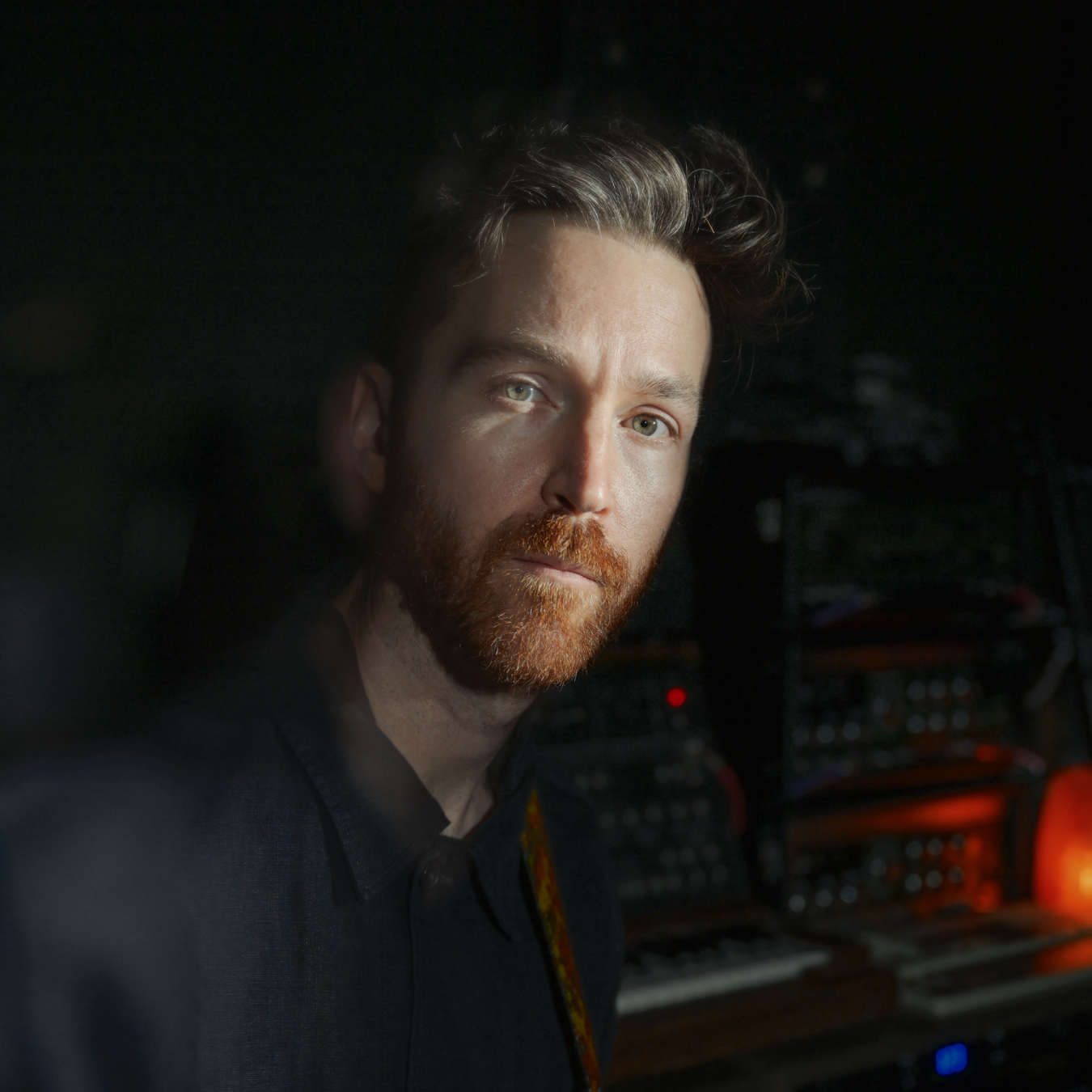
Six Missing is the ambient music project of Austin-based artist and composer TJ Dumser. Blending emotional sound design, field recordings, and immersive storytelling, his atmospheric compositions...
In an era of short‑form content and endless scrolling, immersive music offers a chance to pause, breathe, and truly listen. By weaving emotional narratives, field recordings, and thoughtful physical...
Promoting your music on YouTube is no longer optional. It’s an absolute must if you’re serious about your career as a music artist who wants to grow their fanbase and get their music out there.
Navigating the music business can be tricky for creators, especially when dealing with the minute details of rights management and music contracts. Entertainment lawyer/music business professor Karl...
Have you heard the term “sync” or “synchronization” before, but asked yourself “What is music sync”? At a basic level, granting a sync and recording license allows a third party to use the copyright...
Whether you’re a label, manager, publisher, or distributor, industry leaders should always encourage their artists to have honest and open conversations about split sheets. After all, not having them...
Lyric sheets may sound relatively simple — a piece of paper capturing a song’s key verses and choruses — but they’re often a deciding factor in securing major songwriting gigs or sync placements.
When TikTok shared its music report at the tail end of 2021, the company was quick to clarify its position on creators: “Music is at the heart of the TikTok experience. It’s the glue that connects...
Unless they’re part of the public domain, nearly every song in existence follows the same formula when it comes to copyright law. Namely a split between two distinct halves: a one-of-a-kind recording...

Armed with a Gibson guitar and a pastel pink pen, HEATHER LAROSE found inspiration in Westchester, New York right on the edge of Manhattan. Never feeling at home in either world, LaRose began writing...
Depending on how you define it, the phrase “royalty-free music” is either slightly misleading or woefully inaccurate. For one thing, there’s a big difference between songs that are exploited via a...
According to an encouraging Ampere Analysis report, more than $220 billion was spent on global content in 2021 — a 14% increase (a little over $20 billion) over the previous year. Subscription-based...
When Congress passed the Audio Home Recording Act (AHRA) in 1992, “digital recordings” didn’t mean Spotify downloads or bitcrushed MP3s. Back then — a decade before Napster’s shutdown, and Apple’s...
A crucial part of the publishing process is affiliating yourself with pay sources and registering your songs so they can be properly tracked for royalty collection. Not following these steps means...
If you’ve ever wondered “is sync licensing worth it?”, the answer may have been in the RIAA’s annual report for 2022. While streaming revenue saw its first stretch of single digit growth since the...
If there was ever any doubt about the relative sway of syncs in an on-demand world, one needn’t look any further than the fourth season of “Stranger Things”. Aside from the sudden boost Metallica got...
Now that the dust has settled from last year’s NFT rush — a flurry of non-fungible activity that generated millions for such early adopters as Grimes, The Weeknd, and Kings of Leon — you may be...
From sample-heavy hip-hop tracks to synth-laced pop singles, producers have played a pivotal role in shaping recordings since the music industry’s shellac days. They’re even the star of the show...
Whether you just signed a deal with a publisher or label, want to record and release a cover song, or plan on monetizing your music in any other manner (e.g., through its lyrics and viral YouTube...
In a surprise move set to benefit songwriters and publishers throughout the U.S., three major gatekeepers of the music industry — the National Music Publishers’ Association (NMPA), the Nashville...

Native to the Midwest, with South-Asian roots, Sonez (pronounced: /sōnz/) uses the raw power of story-telling, through her inspirational pop music and lyrics, to honor the spectrum of emotions we all...
YouTube can be a valuable source of revenue for songwriters, but understanding how royalties are collected—and whether you're receiving everything you’re owed—can be confusing. In fact, did you know...
“I couldn’t believe it,” Ghanaian-American singer/songwriter Moliy said in a recent interview. “I’m singing about getting paid, but I’m not getting paid.”
As a music creator, you probably focus most of your attention on songwriting and performing, and rightfully so. But understanding how royalties are generated, collected, and deposited in your bank...
Ed Sheeran won the latest in a string of copyright infringement lawsuits against him in early April of 2022. This time, he and his legal team took a different tactic in dealing with the claim that...
Elliot Aronow is a professional life coach and creative consultant and has supported artists and brands including GQ, The Strokes, RCRD LBL, Noah, and The FADER. His specialties include creative...
An Interview with Bill Werde of Full Rate No Cap “I’ve always been kind of obsessed with what’s next,” Bill Werde told me, when I asked about his career choices and why he’s become a particularly...
Members of several major trade groups have finally reached an agreement to raise the compulsory rate for physical releases, downloads, ringtones, and music bundles to 12 cents per track. The National...

Known for her sweet lyrics and distinct tone, Joyce Wrice delivers a sound that resonates with this generation. The Southern California native’s breakout debut album Overgrown was released...

Nsimbi is a Ugandan-American international award-winning duo formed by Ugandan hip-hop pioneer GNL Zamba and American world fusion artist Miriam Tamar. Building on the acoustic sounds and indigenous...
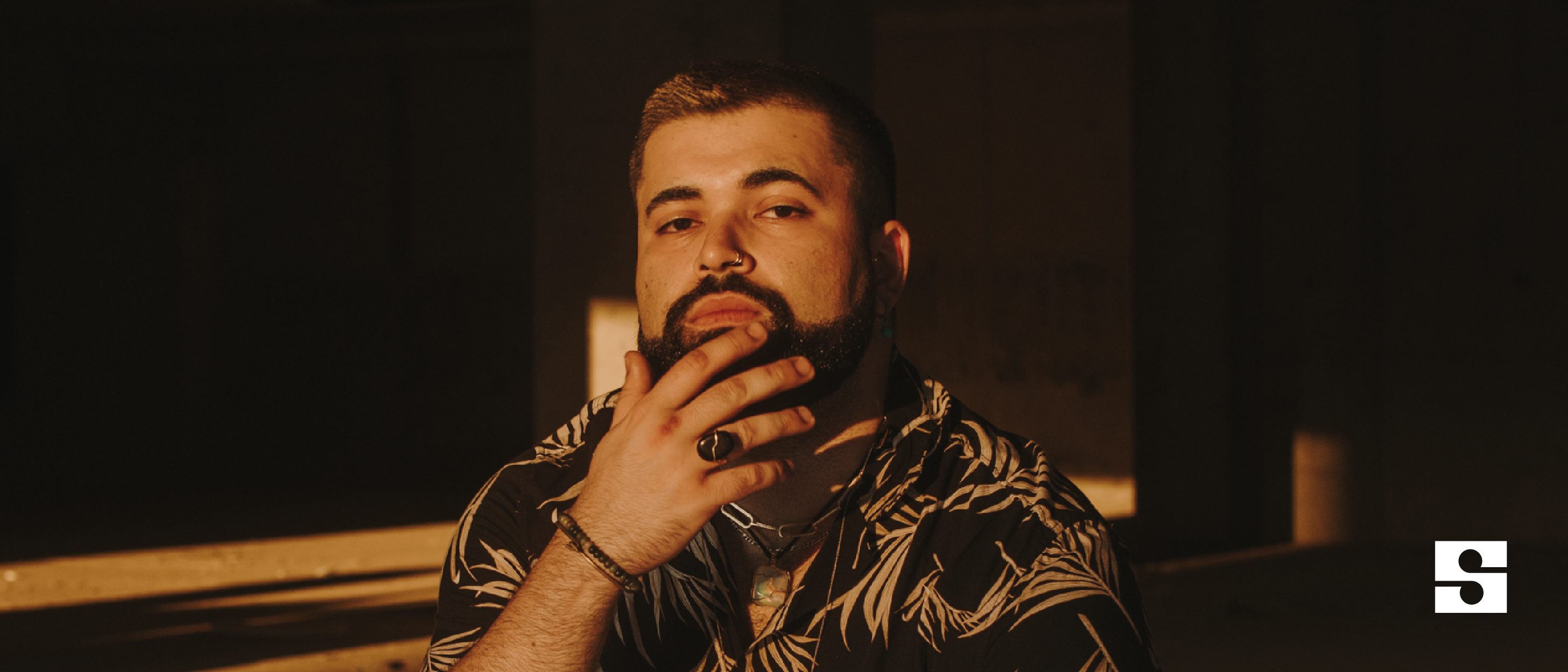
Jersey-raised and Philadelphia-based Brendan G. (a.k.a. The Latchkey Kid) is a seasoned recording artist, lyricist, producer, engineer, and actor, with over a decade of skin in the game. Adaptable to...
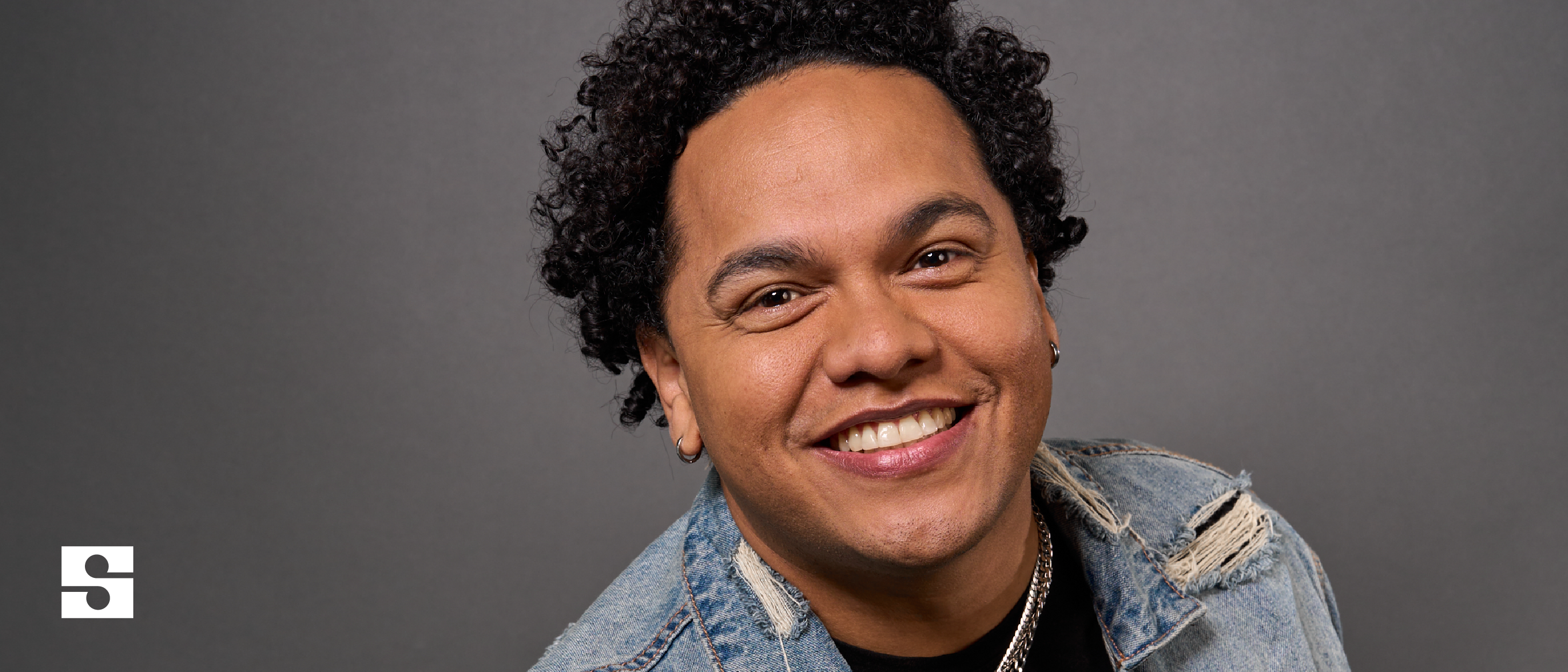
Meet Damian, a songwriter and composer, a finalist for The Voice (Colombia), and an actor in "Vallenato Help Me," a musical theatre play created and directed by Dago García. He was also a chosen...

Joanny is one of the fastest-rising musicians coming out of Melbourne, Australia. He was born Joachim Nnaemeka Emeodi in the Eastern part of Nigeria on the 2nd of July 1994, and is the last of five...
Elliot Aronow is a professional life coach and creative consultant and has supported artists and brands including GQ, The Strokes, RCRD LBL, Noah, and The FADER. His specialties include creative...
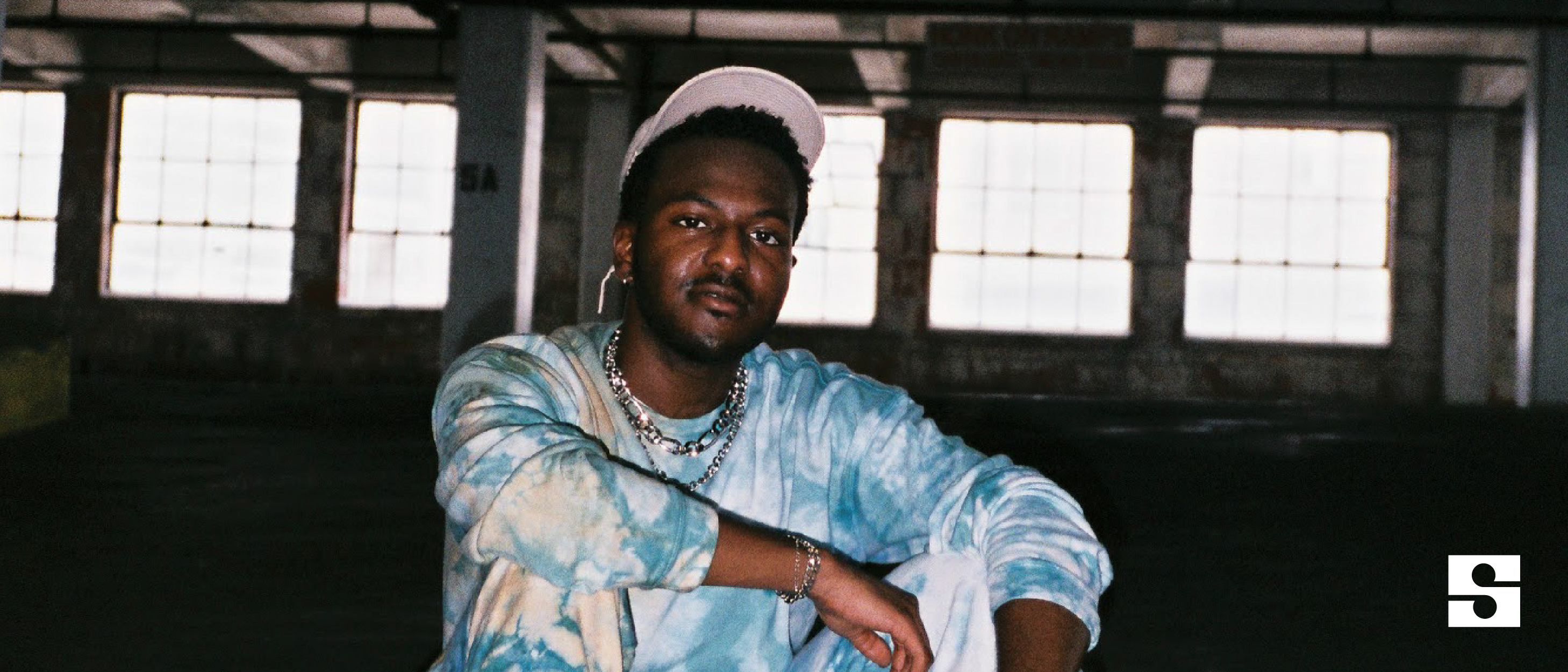
Trey Best is a non-traditional R&B singer-songwriter and actor from Atlanta, Ga. Characterized by his sweet-crooning tenor tone and pure vulnerability, Best’s melodic touch transcends all boundaries....
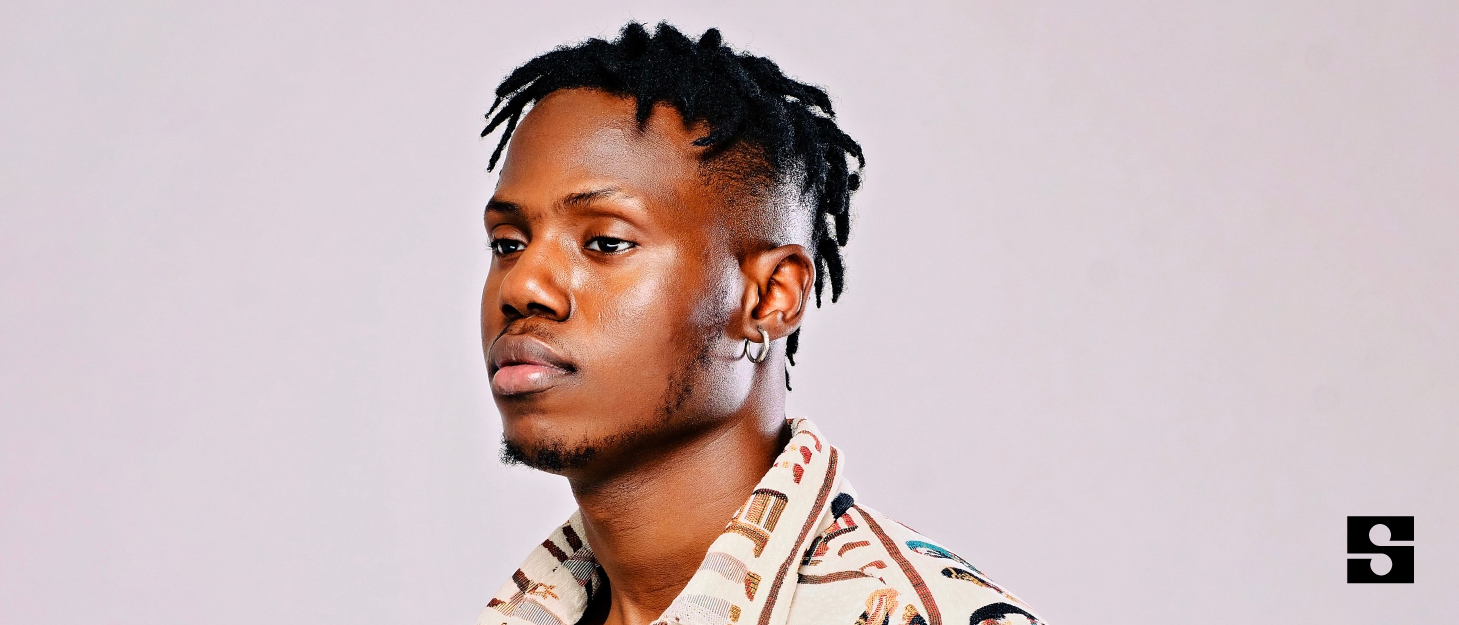
Adeyemi Olarenwaju, popularly known as “Larrylanes,” was born in Nigeria, on the 12th of September 2001. Influenced by Timbaland, Sarz, and Don Jazzy, Larrylanes started producing records at age 16...
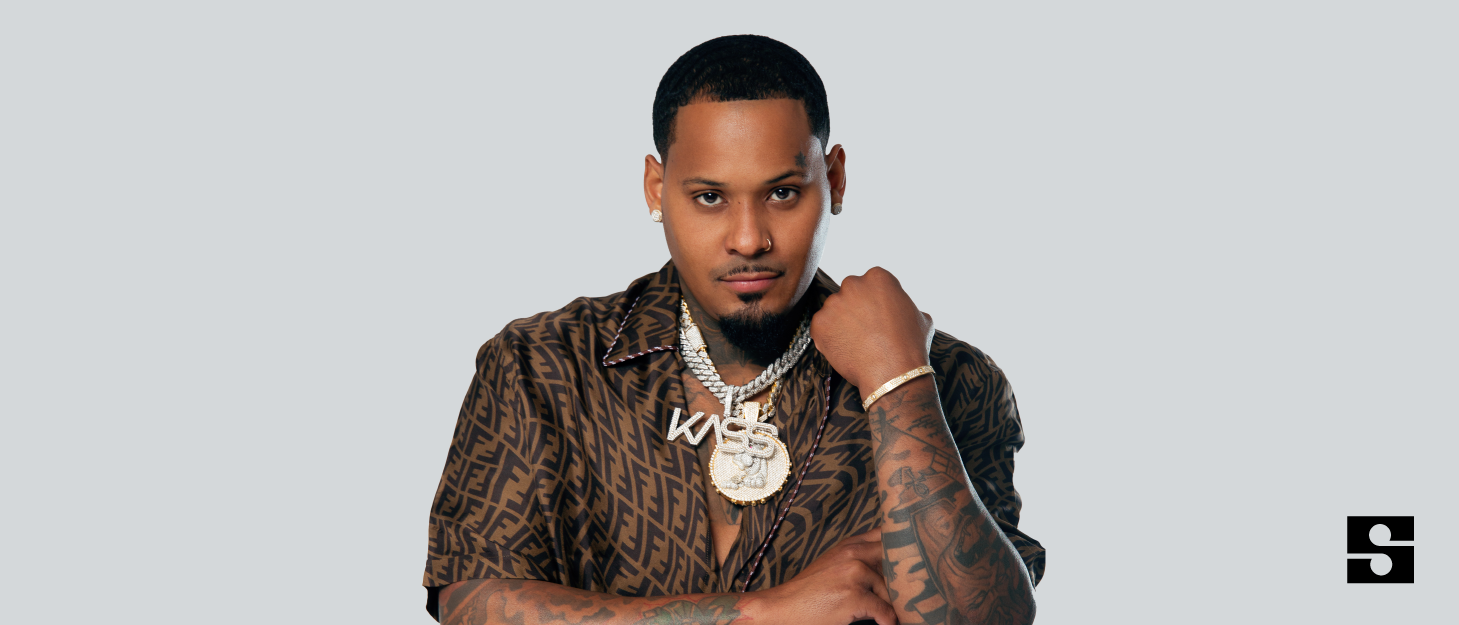
New York-based DJ/rapper DJ Kass was born in Harlem and grew up in the Bronx, NY. Kass' father was a DJ and he grew up learning the tricks of the trade from his dad before starting to do his own gigs...

Will Paquin is a multi-instrumentalist, producer, and singer-songwriter based in Boston, MA. His sound is controlled chaos – unique and energetic guitar playing with classic folk vocal delivery via...
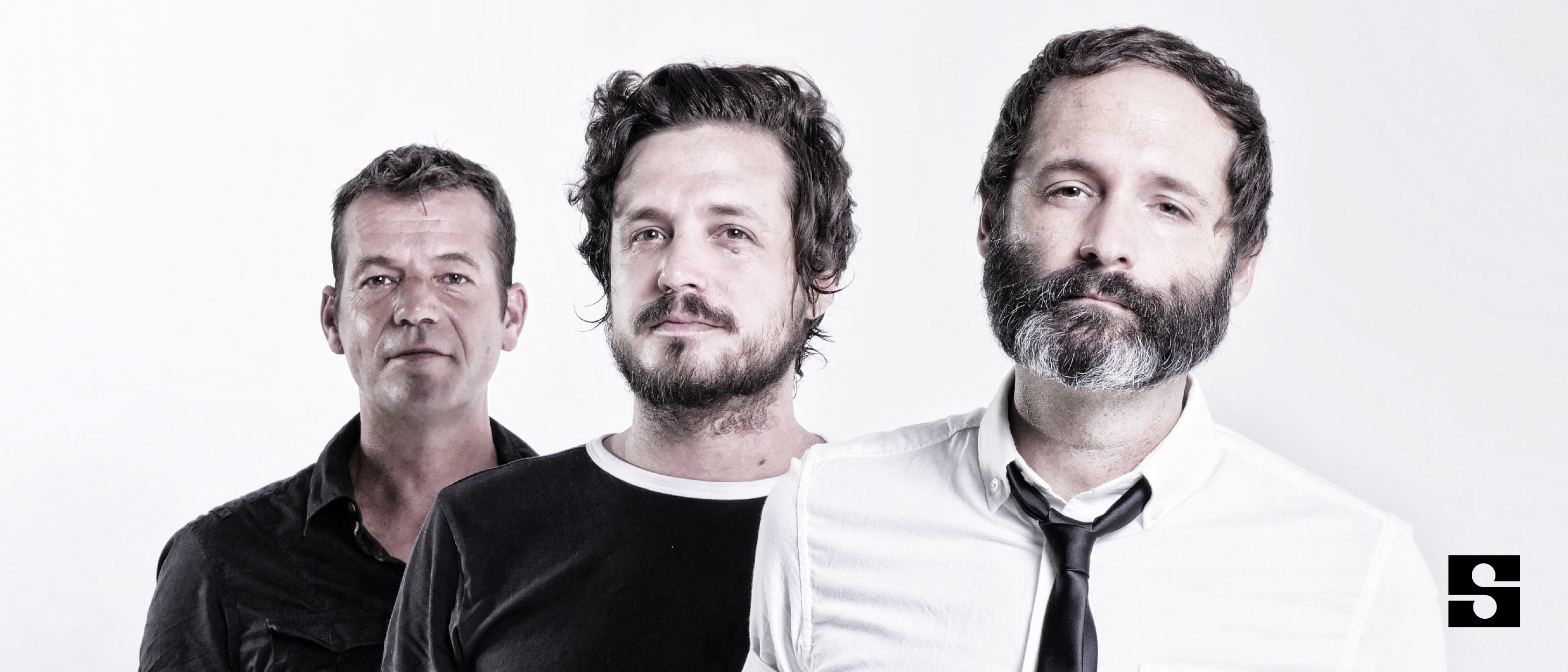
COFFEE HOUSE ANARCHISTS are an established English/French indie band based in Montpellier, France. CHA is made up of two brothers who have been playing together ever since rock and roll first burst...

Olivia Reid is a soulful vocalist and songwriter whose music blends indie acoustics with electronic pop, creating a sound as steady as a heartbeat. Based in New York City, her introspective lyrics...

Ricky Montgomery’s music was ahead of its time—literally. His two once-obscure, yet universal singles – “Line Without A Hook” and “Mr. Loverman” – were suddenly reinvigorated four years after their...
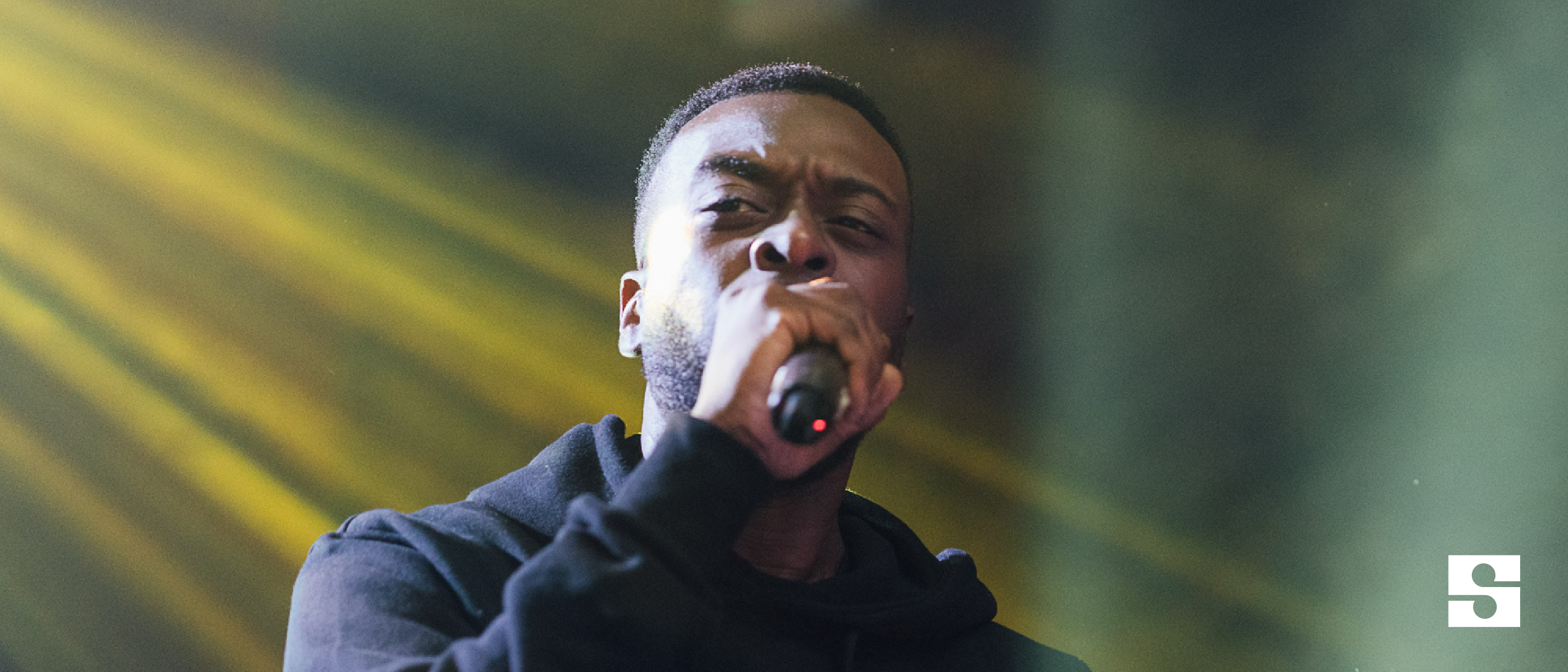
Birmingham-born, multi-talented artist, Dapz OTM (Dapz On The Map) is more than your average Grime MC. He has a philosophy towards his art that moves the listener and has gained him the respect of...
From hard rock to hip hop, it’s hard to find a hook-driven artist who hasn’t worked with a producer. But what if you’ve never stepped foot in a proper studio before? What is that experience actually...

P La Cangri “La Jefa del Bloke/The Boss of the Block” and her Label, Gutierrez Enterprises, are part of the Empire Distribution family with the full support of Empire Latino. She is a multifaceted...

JT Music is a two-man group creating Nerdcore music. The members, Christian and John, or by their online monikers Skull and Pat, hail from Maine where they grew up down the street from one another....
While they were once considered a sign of “selling out”, sync deals have become a significant source of income among independent musicians in recent years. According to a recent Global Music Report...
Ever since the start of the music industry in the 1920s — when record players and records themselves became mass-produced objects, and radio was available from coast to coast— our collective taste...
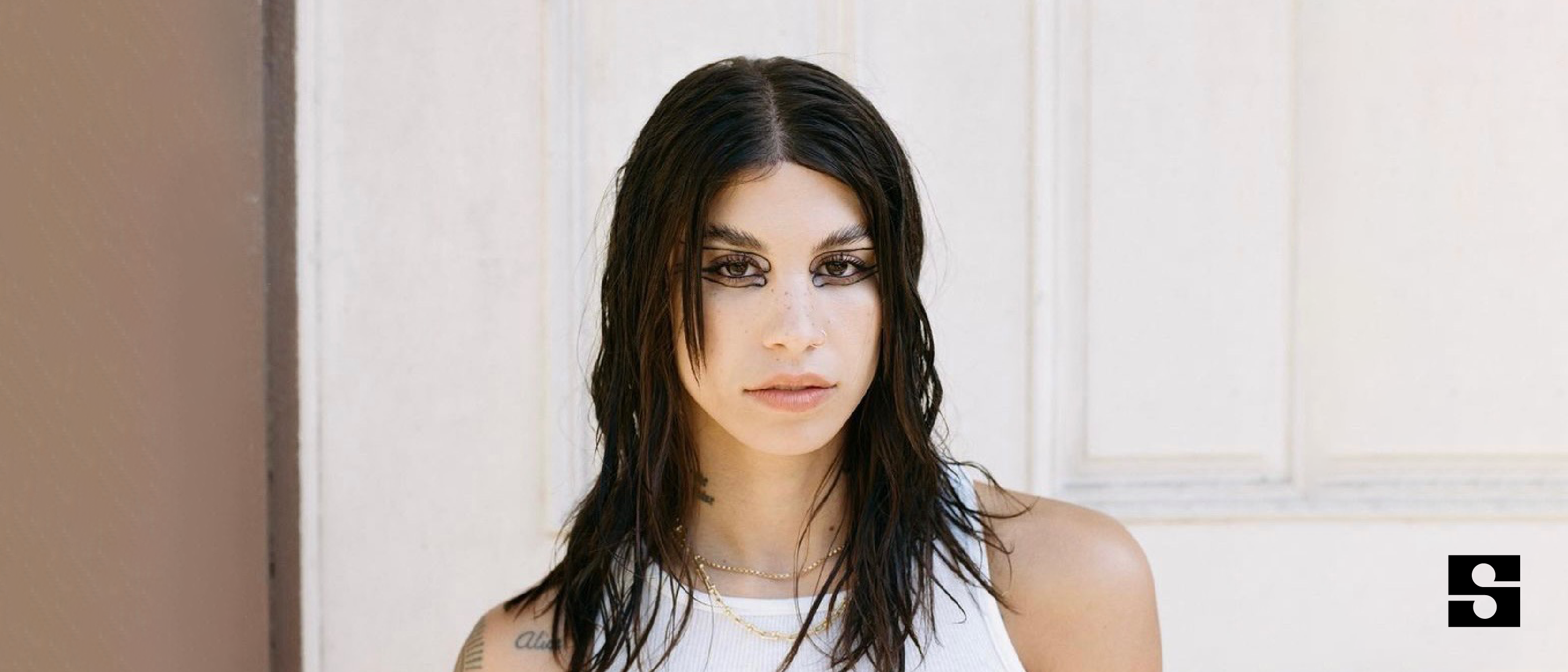
A new artist has never had a launchpad opportunity quite like Naomi Wild’s. As a junior in high school, she snuck into Coachella and witnessed an ODESZA DJ set for the first time. An overwhelming...

Loren Chodosh is an entertainment law attorney and native New Yorker. Over the years, she has represented a varied clientele, including Shawn Colvin, EMF, Moby, the Yeah Yeah Yeahs, Swans, Live, DMC...

Jen Miller is a music producer and artist from Columbus, Ohio, who is now sharing her soulful, quirky sound in Nashville. She’s shared the stage from Ohio to Edinburgh with Twenty One Pilots, Ed...

Born and raised in Jersey, Channel Islands, Dawn Joseph moved to London in early 2000. She quickly found her feet, auditioning for a band and signing a publishing deal with Sony, going on to write...

Monika Tashman is a growth catalyst who goes beyond the obvious and customary to make creative and innovative deals in the entertainment industry. Her goal is to transform organizations, business...
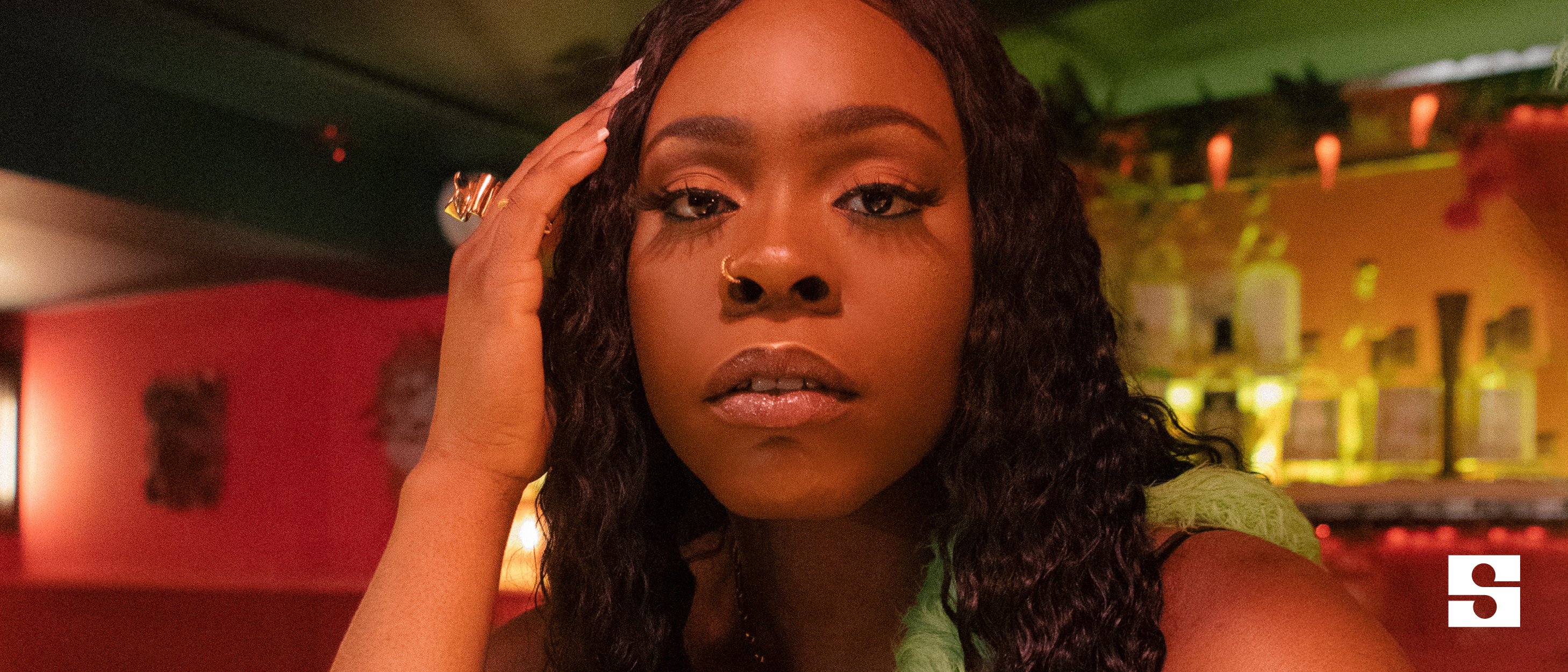
Shaé Universe is a Nigerian-born British singer-songwriter who moved to the U.K. at the age of 4. Having grown up surrounded by the sounds of soul and gospel music, Shaé now cites the likes of Erykah...
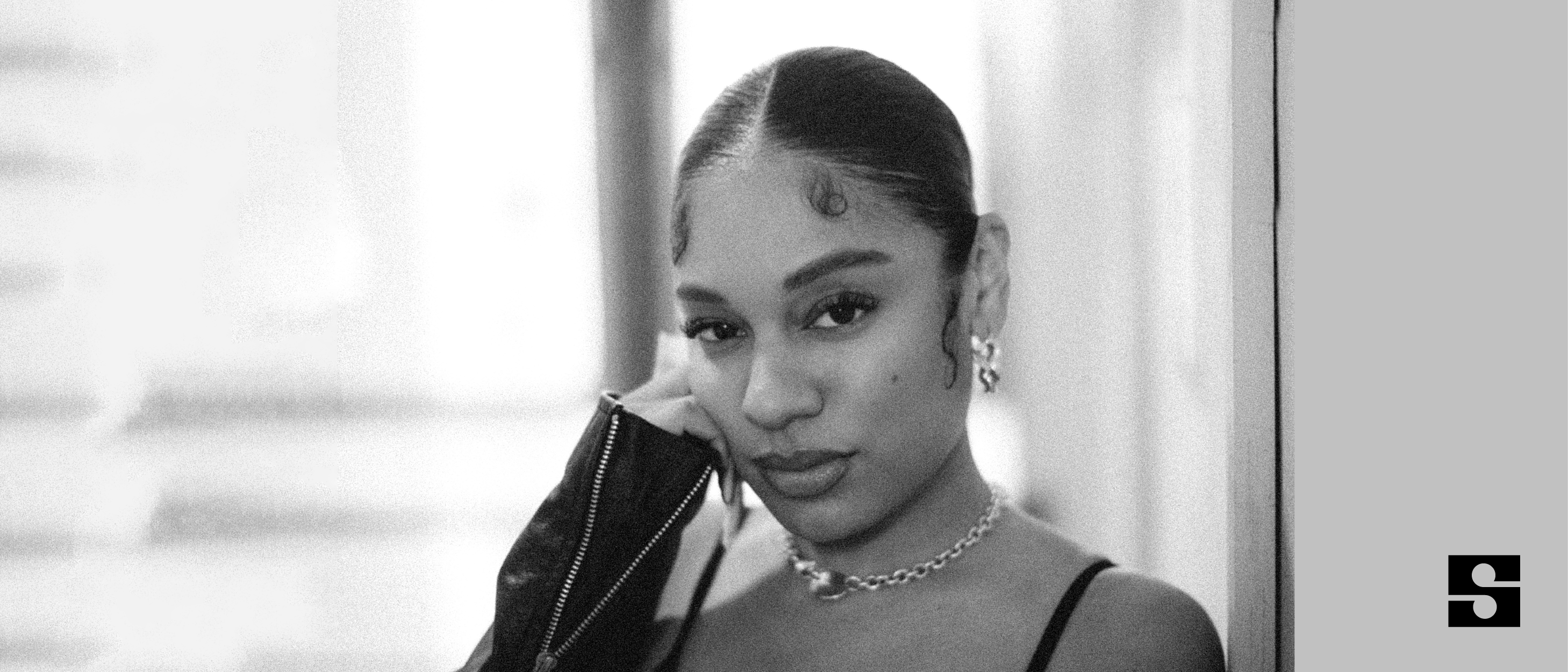
Rachel Foxx is an R&B and soul singer-songwriter from East London. She has been writing from a very young age and draws inspiration from artists she heard her mother play in the house such as Erykah...
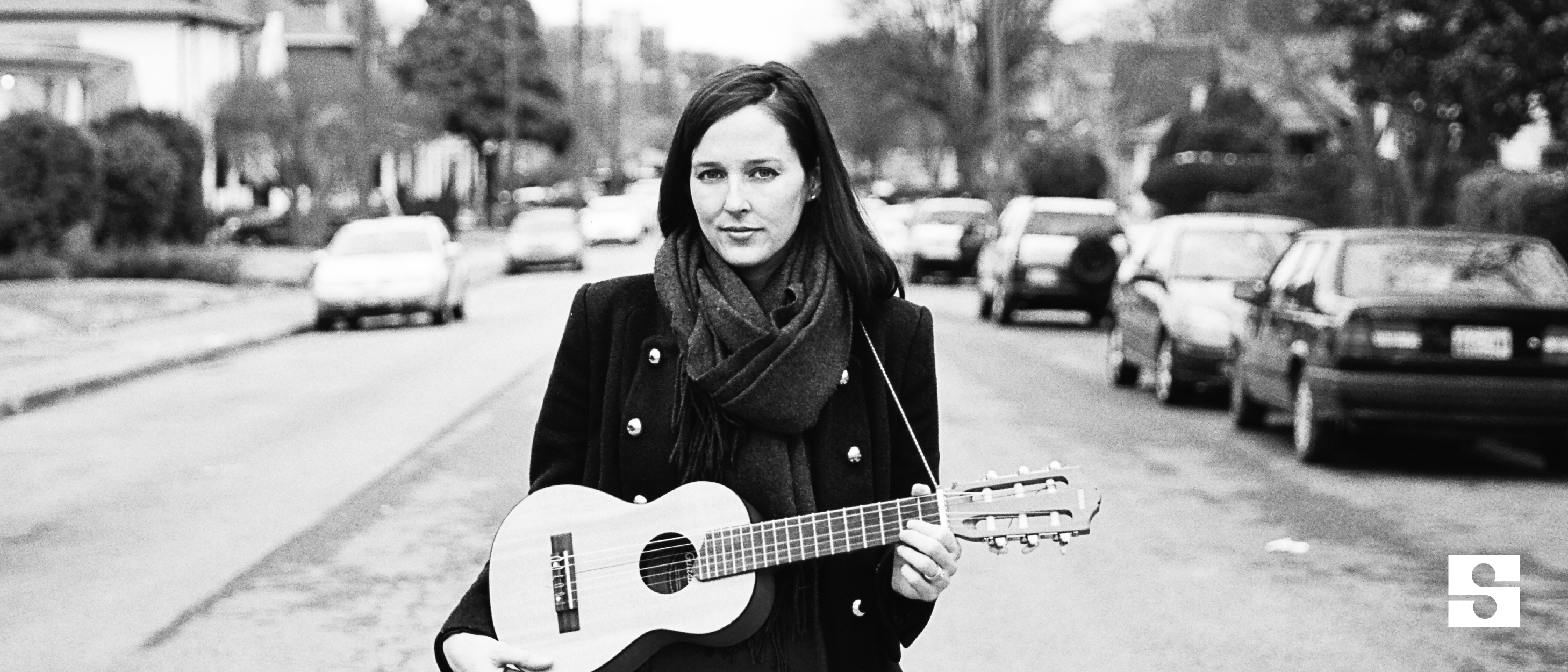
Meiko is a singer-songwriter born and raised in Roberta, Georgia who now splits her time between Nashville and London. Her songs find common ground between indie pop and coffeehouse folk as her...
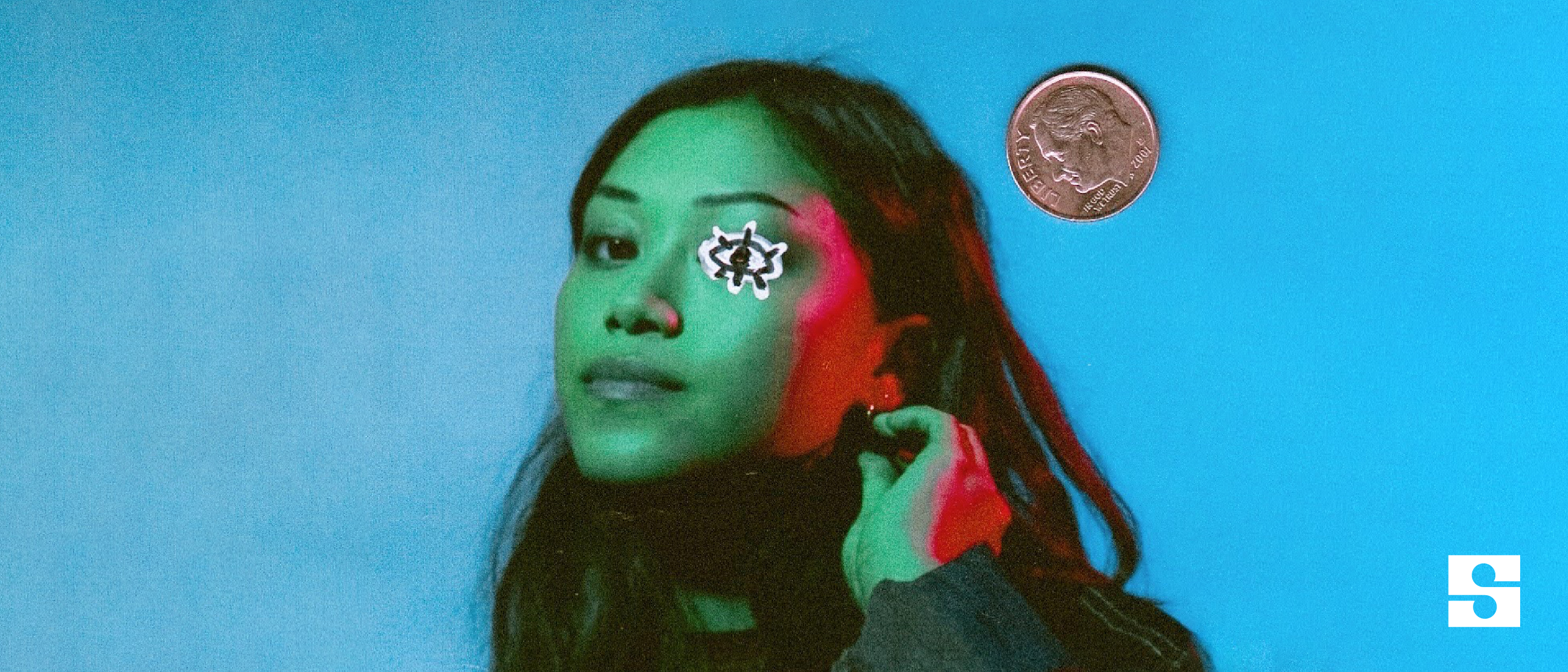
Hong Kong-based singer-songwriter-producer cehryl has a voice as dulce and mellifluous as the songs she produces and writes to. Stories that explore the complexity of human emotion fill her dreamy,...

Katie Toupin has found a home in her role as a solo artist after leaving the critically acclaimed alt-country band, Houndmouth, in 2016. Toupin has since released a live EP, “Moroccan Ballroom,” a...
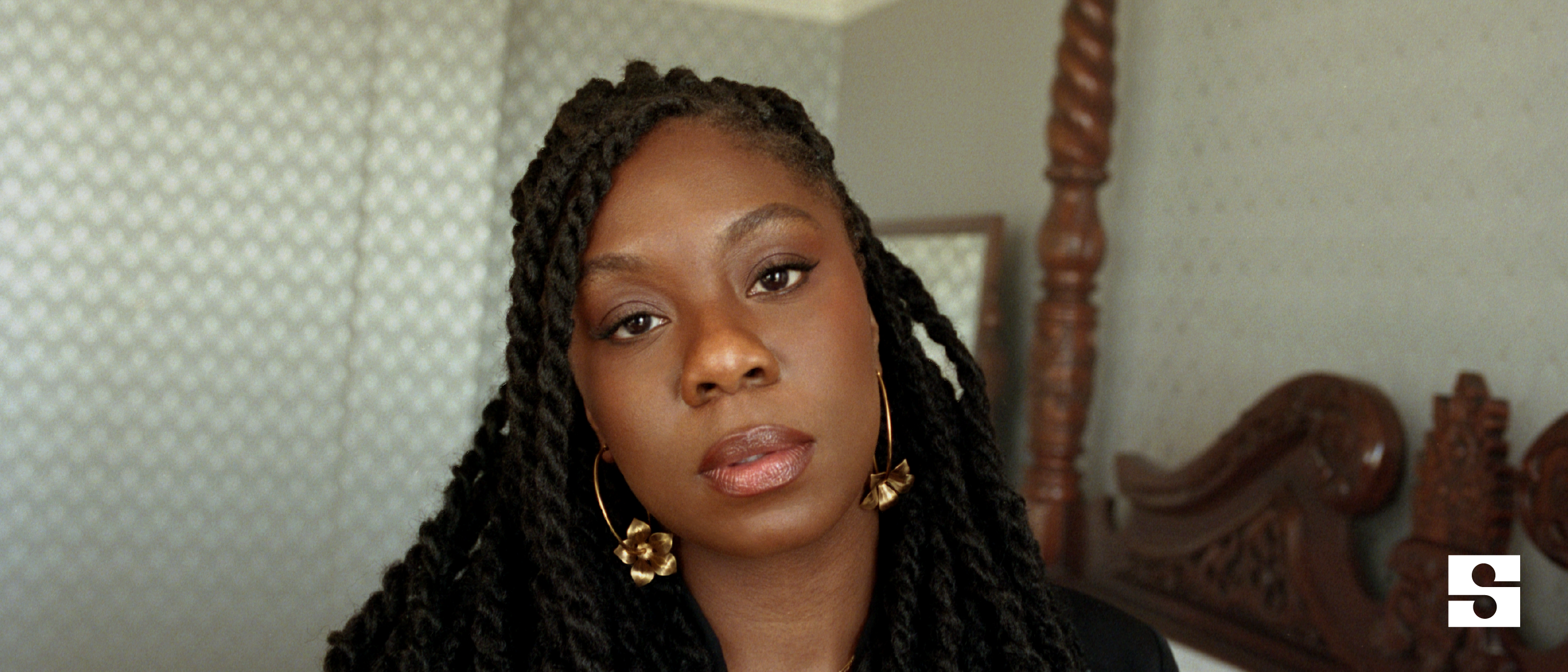
In 2017 British/Jamaican/Nigerian singer-songwriter Bianca Rose released her debut album "No Fear Here," which has, to date, received in excess of half a million streams, and was produced by...
When Clover Hope started brainstorming her first book a couple of years ago, the Pitchfork editor/adjunct NYU professor kept coming back to one topic: the sparsely told storylines of women in hip-hop.

Luna Shadows is an artist, producer, songwriter, and multi-instrumentalist creating alternative pop with a dark melancholy and a California twist. She is completely DIY and oversees and executes the...

Invited to perform at the Cannes film festival 2019 in France for her award-winning film score, Voyage for Change, Tritha is a vocalist, composer, and music producer based out of India and Europe....
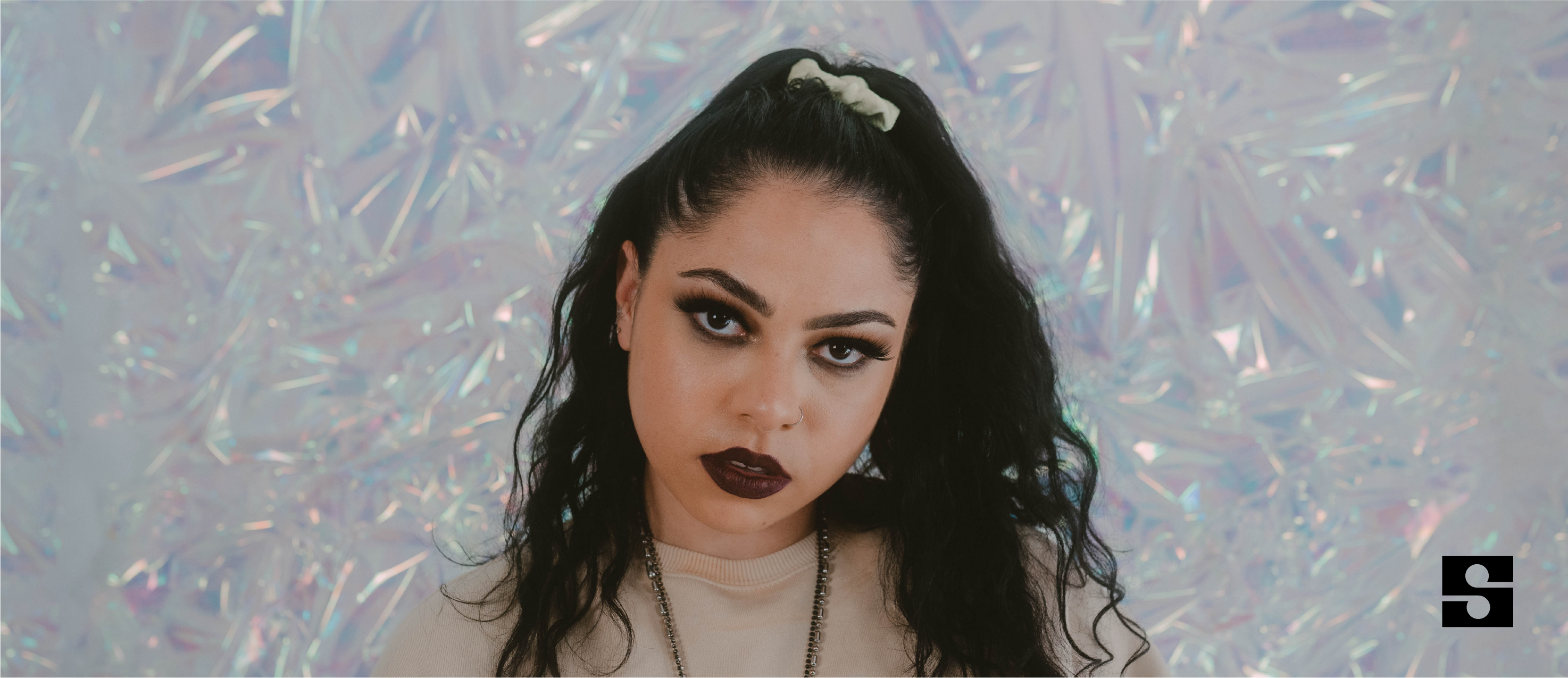
Michaela "Mickey" Shiloh is an entrepreneur, recording artist, multi-platinum-selling songwriter, author, and mentor. At 12, Shiloh learned to write and record her own songs, and at 17 she signed to...
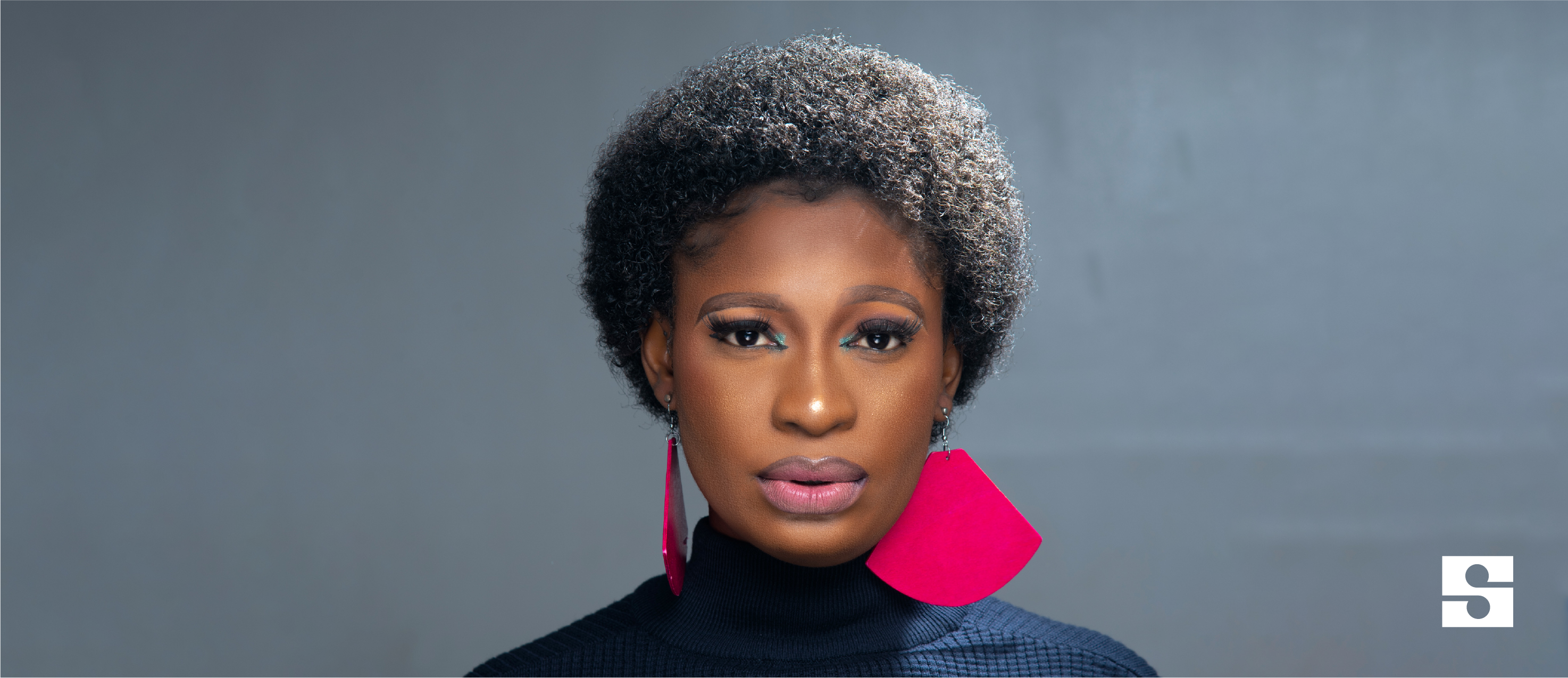
Life has been about singing for Ifechukwu Mercy Michael, professionally known as Ifé. She was born in a family where singing was the norm. Ifé, at the age of ten, joined the chorus of traditional...
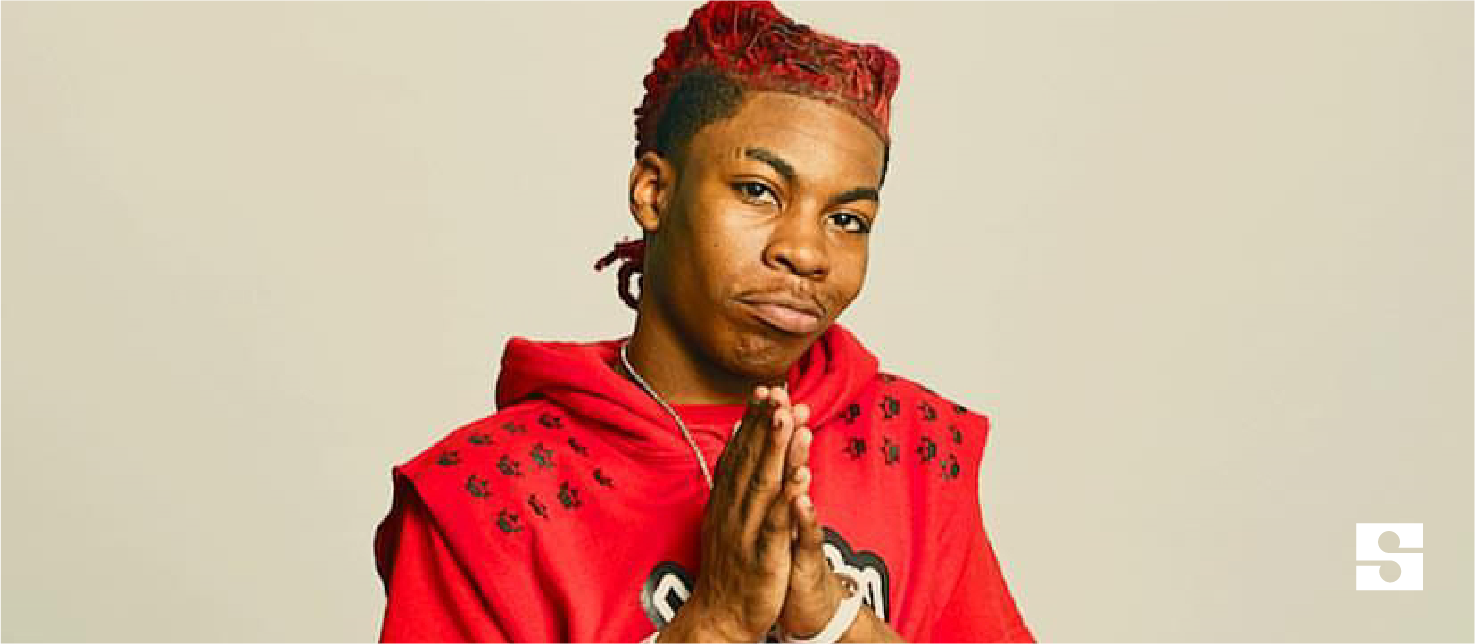
Tyshawn Johnson, also known as YVNG SWAG, is a young, millennial Hip-Hop artist, dancer, comedian, and entertainer who was born and raised in Kent County, Maryland. YVNG is an acronym that stands for...
Songtrust was founded by Downtown Music in 2021, and since then, the Downtown family of companies has grown to include CD Baby, FUGA, AdRev, and more. While these companies have distinctive roles...
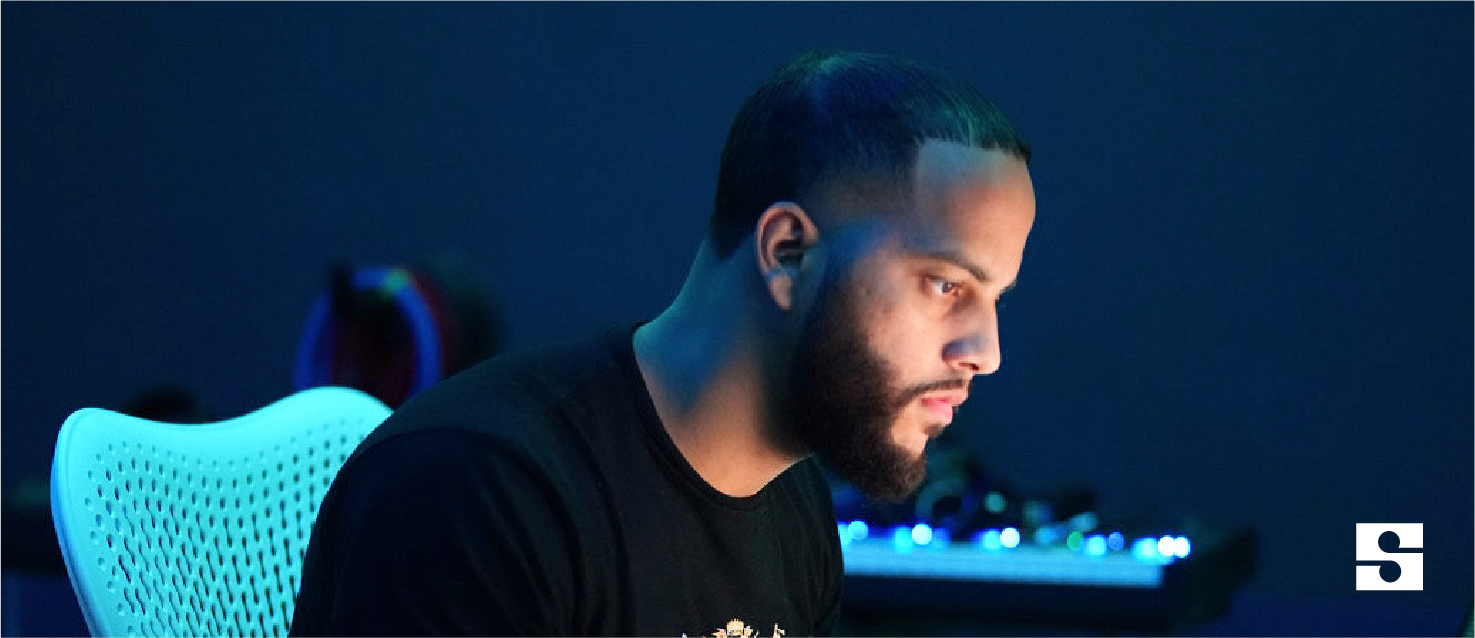
Dewayne Kennemer, professionally known as WayneOnABeat, is an American record producer from Chattanooga, Tennessee. WayneOnABeat is best known for producing Hip-Hop, R&B, Pop, Film, and Trap music....
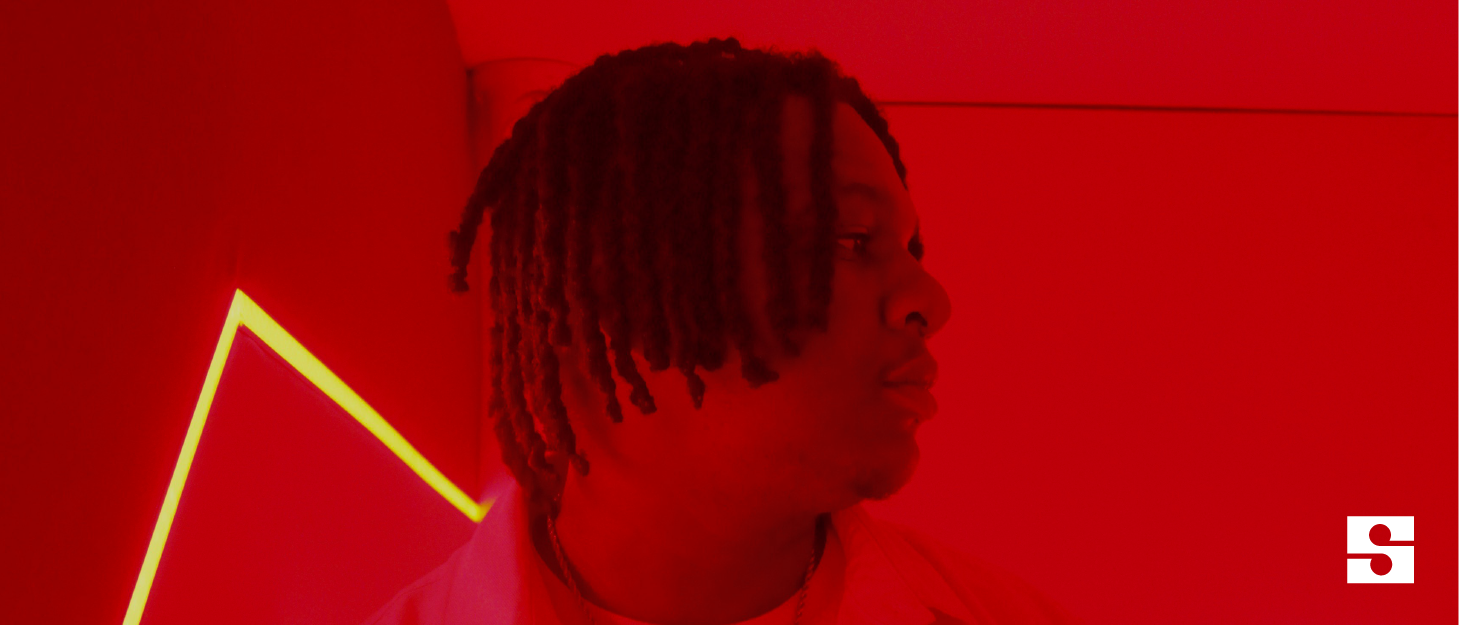
Saidon Aloaye Richardson was born on August 15, 2000, in Gainesville, Florida where his parents Te-Erika Patterson and Salisu Richardson were students at the University of Florida. His mother is an...
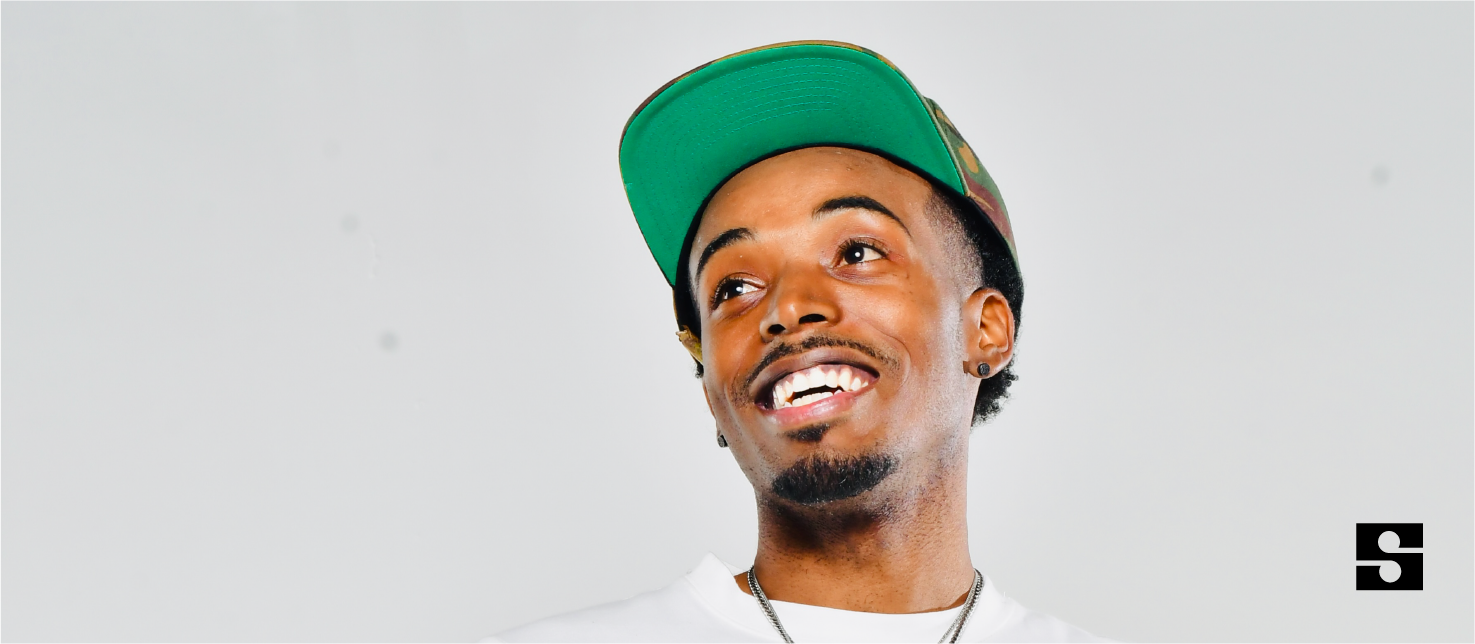
Rapper and producer, Jahmon Pauling, also known as SMILEYFACE, crafts tunes that focus on good vibes and living right. Born on the south side of Winston-Salem, North Carolina, but now based in...
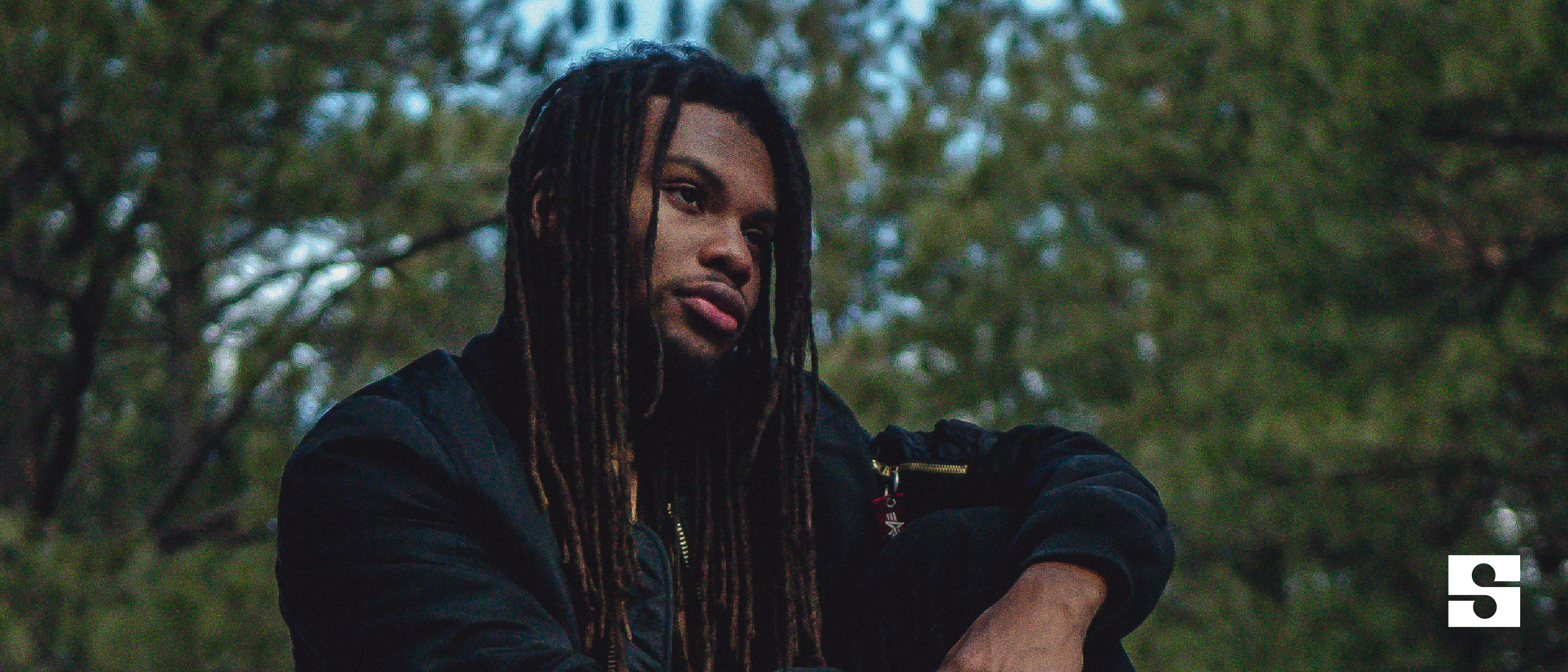
My name is Xan Griffin. I was born in Gardena, California, and raised in Apple Valley and Hawthorne California. I am 21 years old and have been producing for 12 years and the last 4 years I started...

Grammy Award-nominated DJ/Producer Todd Terry has been engulfed in dance music since he first started listening to European dance music records while growing up in Brooklyn. Already devoted to...
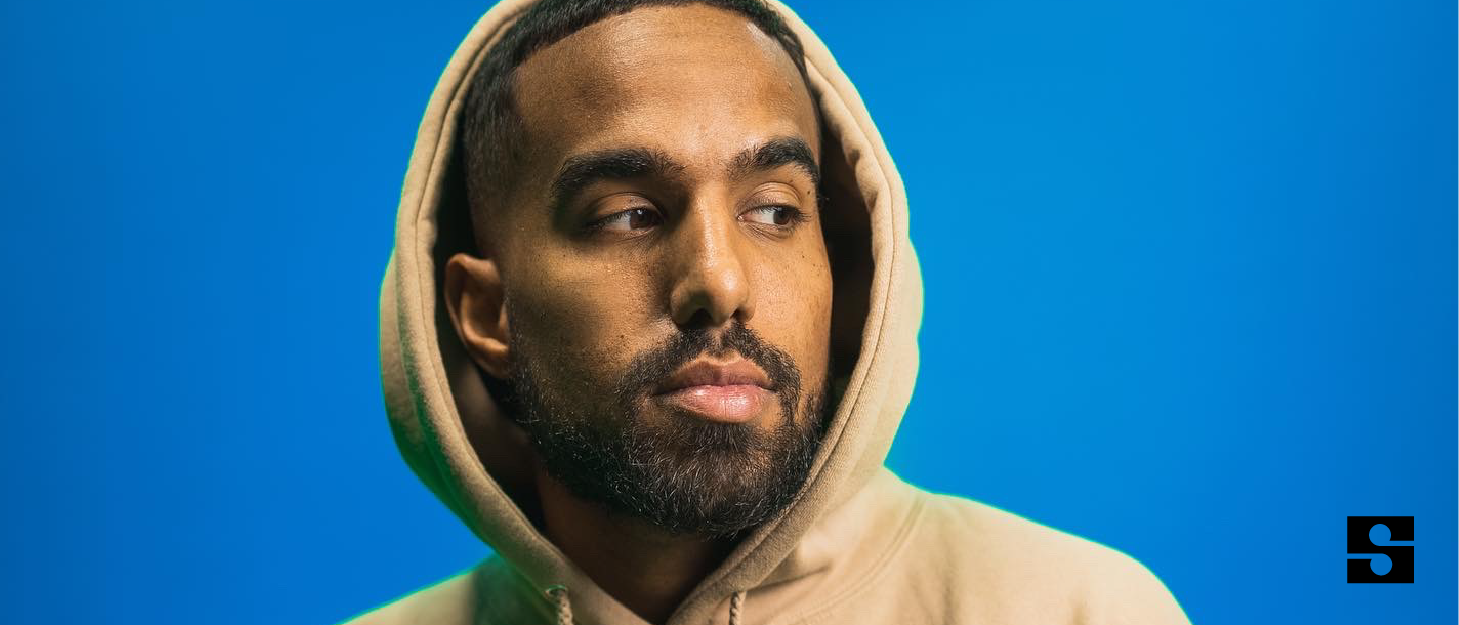
Zachary Lewis Beck, known professionally as FUTURISTIC, is an American rapper, singer, and songwriter. He was born in Bloomington, Illinois, and currently resides in Tempe, Arizona. Futuristic went...
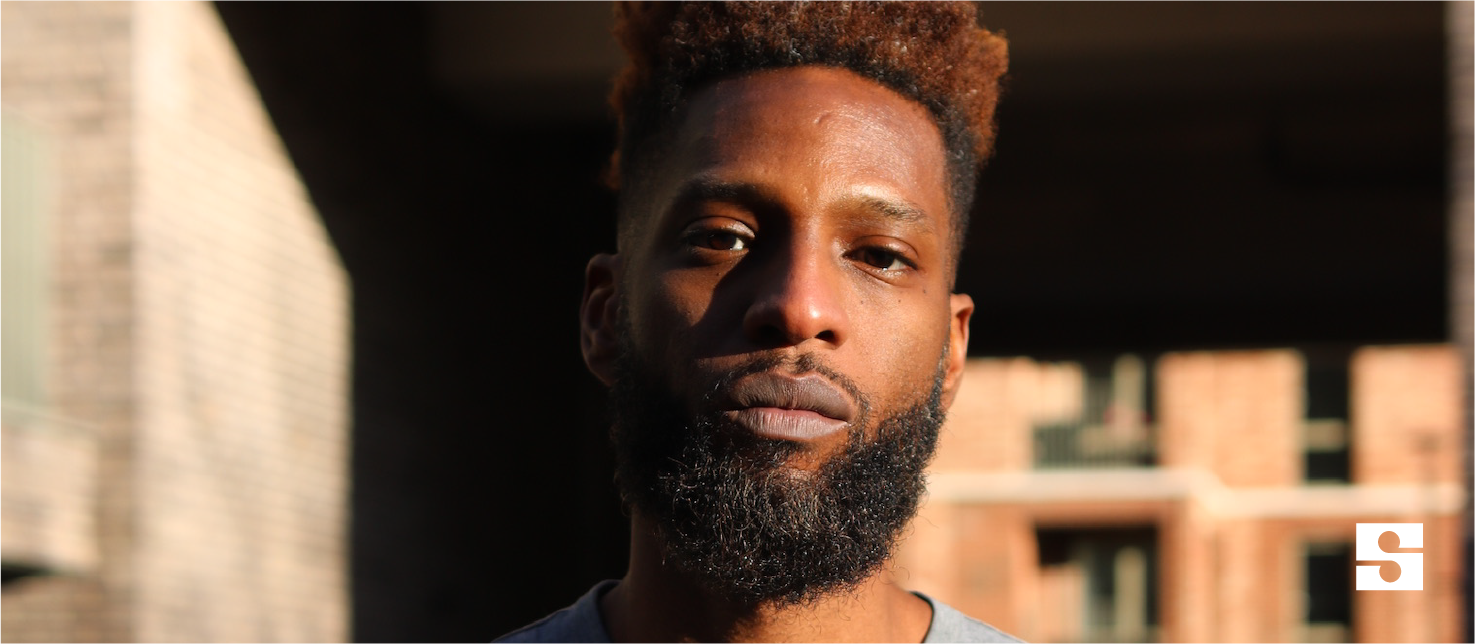
Having begun his journey into music at the tender age of 14 as a garage MC, IYKZ, hailing from the north side of Hackney, honed his musical skills by studying the crafts of some of the greats such as...
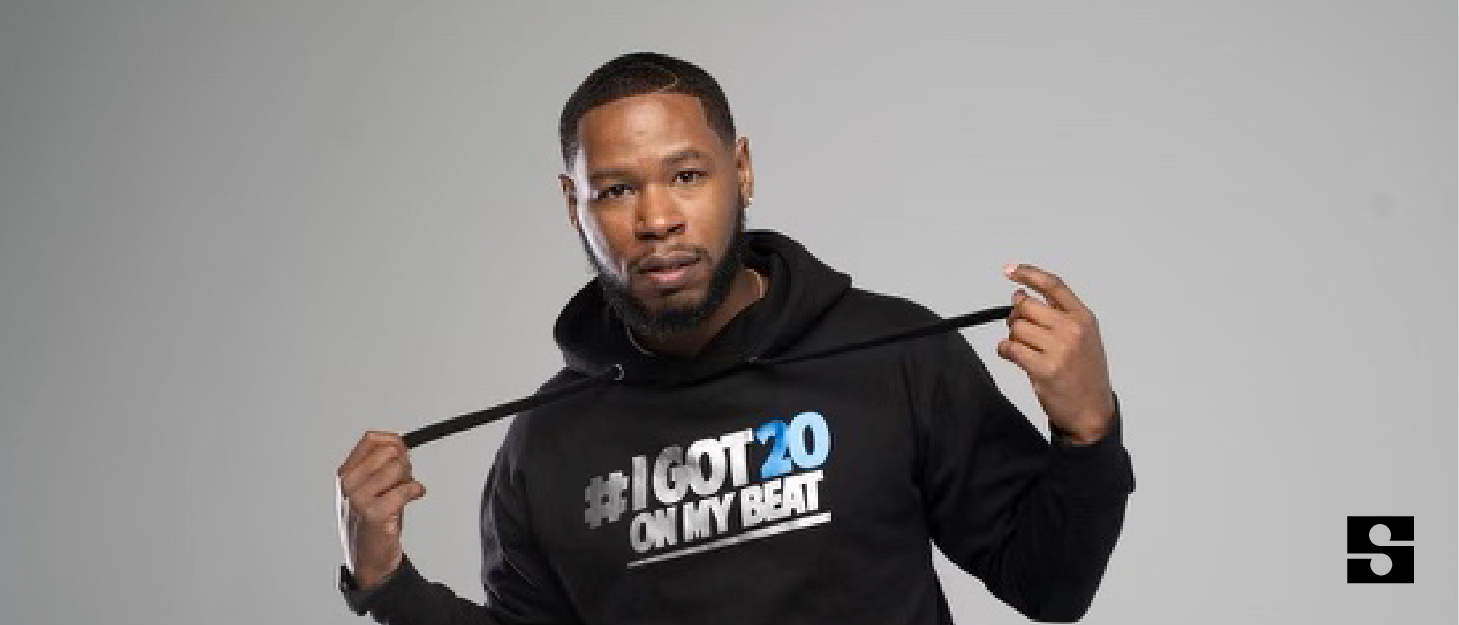
Antwain Fox, also known as PRODUCER 20, is a multi-talented producer with a story of triumph. This Charlotte native got his start in music production when he wanted his brother to make beats with his...
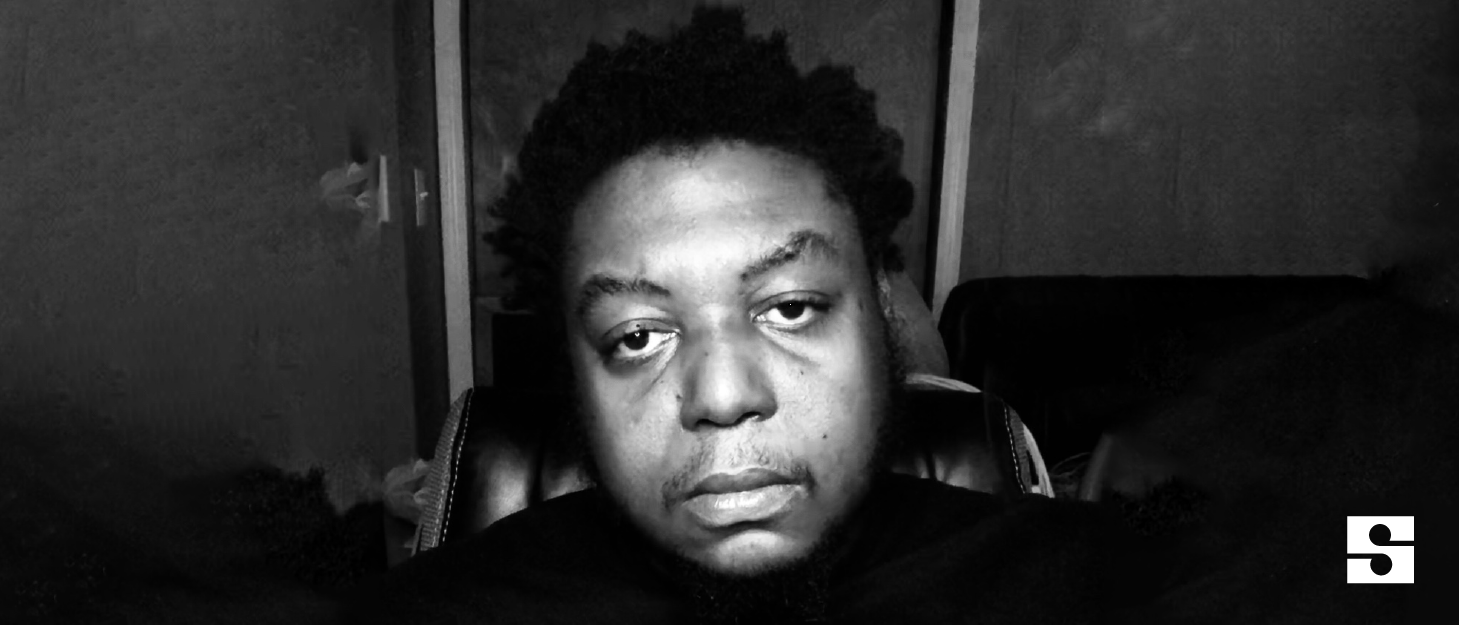
Harold Ikechukwu Esindu, popularly known as BIG H (now Hafiz), was born and raised in Port Harcourt, Nigeria. His parents, Mike and Dolly Esindu owned a media production company that included a...
Taylor Swift is one of the most well-known singers and songwriters in the world. In addition to her eleven Grammy wins over her almost twenty-year career, she was named the American Music Awards...
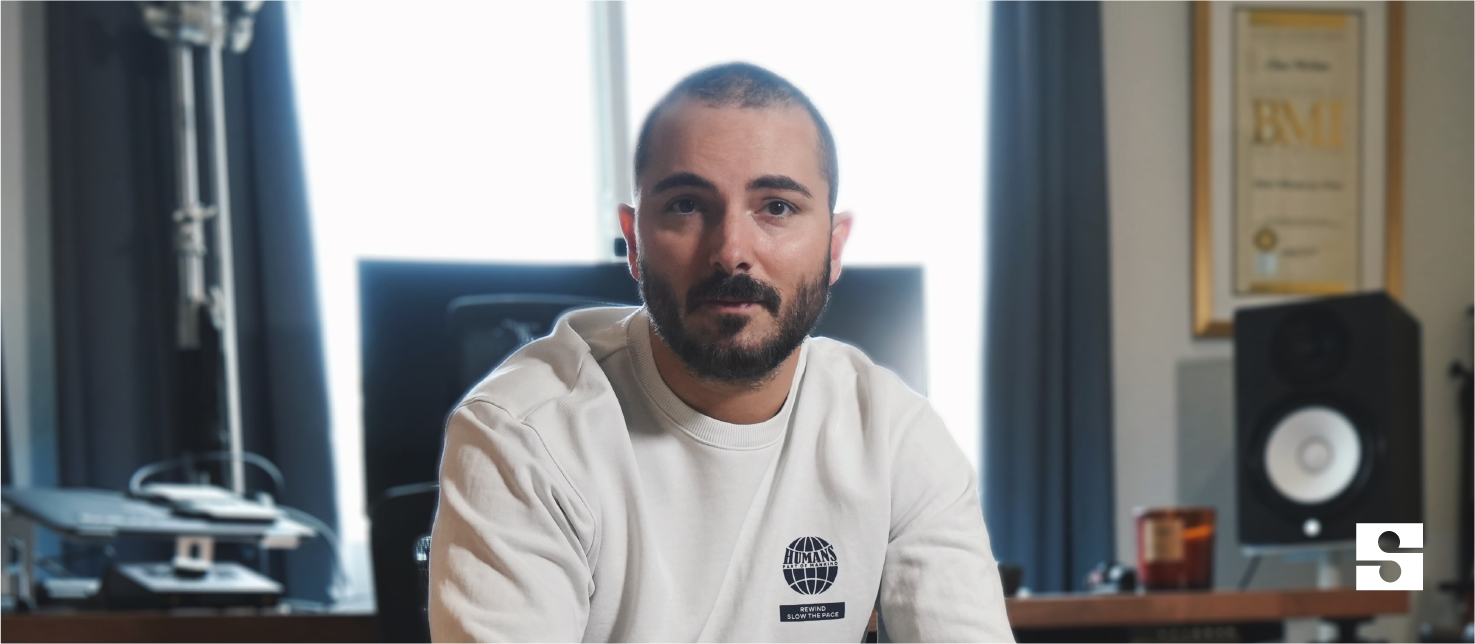
CHAZ MISHAN is an RIAA certified multi-platinum American record producer and songwriter, based in Los Angeles. Originally from Miami, FL Chaz began as a classically trained guitar player and quickly...
In 2021, Songtrust’s staff onboarded hundreds of thousands of works, processed tens of millions of lines of royalty data, and signed on countless new clients to global publishing administration...
At 24, the young music video director, Scilla Owusu already counts A-lists stars such as Sarkodie, Stonebwoy, Burna Boy, and Fuse ODG among her clients. She has also worked with global brands such as...

Raised in Queens and Morocco, singer/songwriter, producer, and visual artist DOUNIA burst onto the scene in 2017. In three short years, Dounia has amassed tens of millions of streams, toured with...
Stylistic changes in music over the last century have pushed songwriters to navigate how to write a hit song through myriad types of music consumption. But what a No. 1 smash hit sounds like when...
Navigating the music business can be tricky for creators, especially when dealing with the minute details of rights management and music contracts. That’s why we asked entertainment lawyer / music...
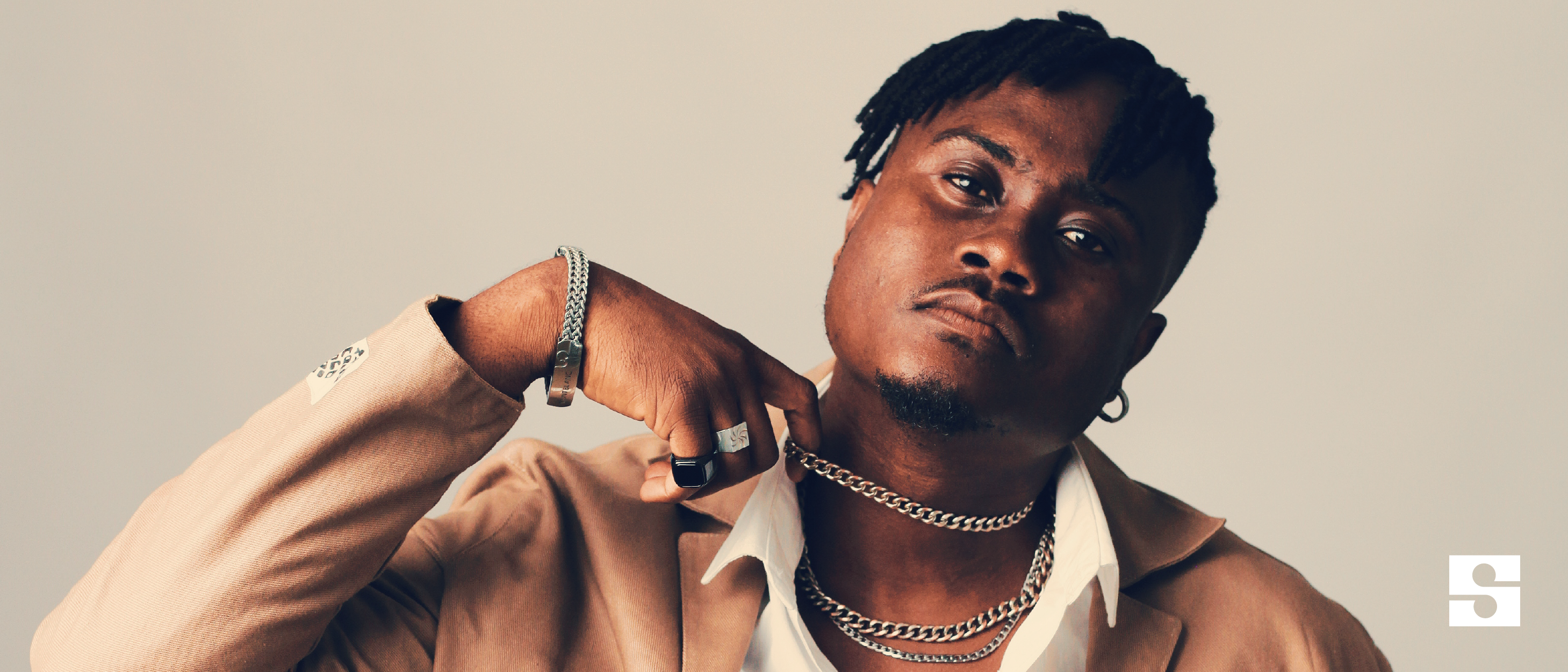
OFFEI, also known as Derrick OFFEI-Awuku, is a Ghanaian singer, songwriter, and guitarist who has performed at big festivals, concerts, and private parties, most notably Afrochella, Live wired,...

LAUREN SYNGER has directed and/or voiced acclaimed/award-winning audio projects. She is the voices of Alice Angel and Allison, and Voice Director for the Meatly’s/Joey Drew Studio’s Bendy and the...
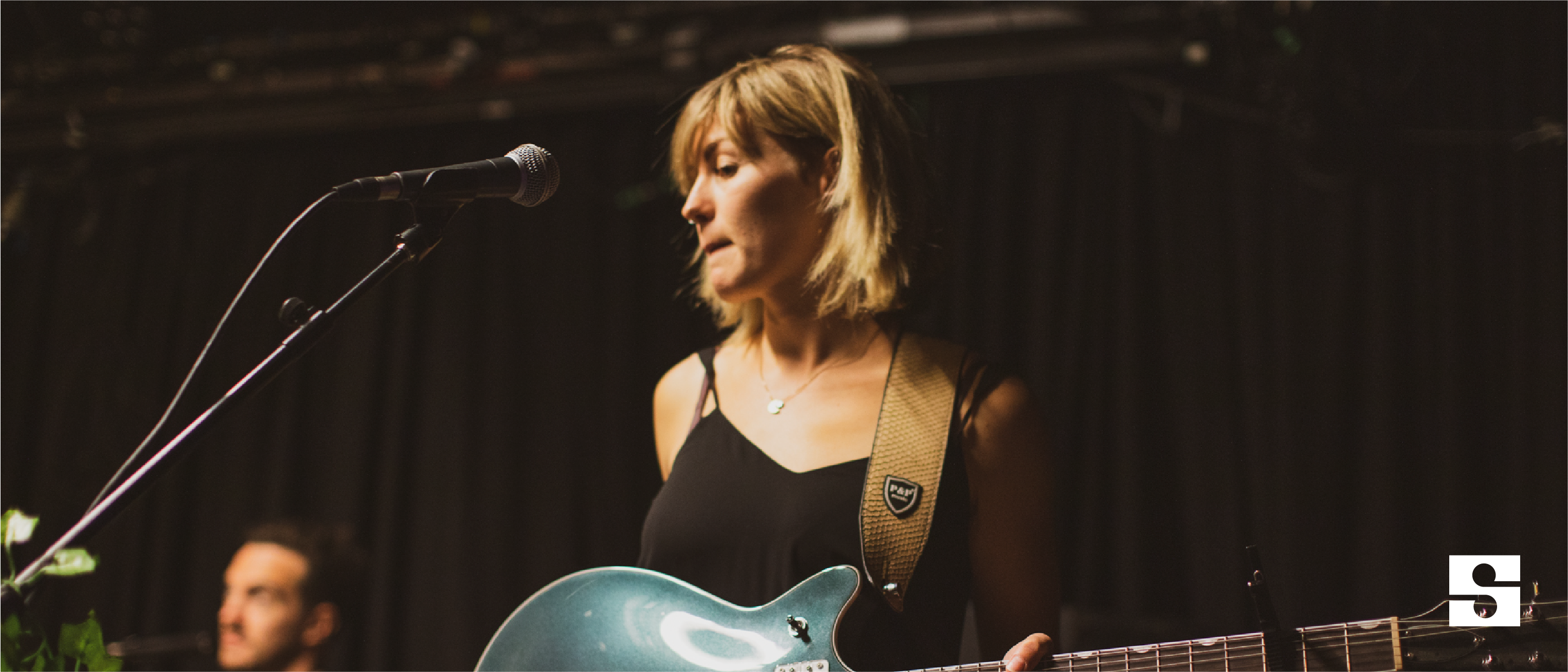
Irish-born singer-songwriter MEGAN O'NEILL released her second full-length studio album this year (March 12th, 2021) - titled "Getting Comfortable with Uncertainty," featuring Top 10 charting,...

19-year-old JESS BENKO’s music is a raw, yet mature and eloquently sewn together stream-of-consciousness that’s sparked the makings of a core fan base and 4+ million streams a month from her bedroom....

NEOVAII is an electronic musician hailing from the USA. Finding his passion for music at a very young age, Neovaii has previously worked in genres spanning from Alternative Rock to Pop, until finding...
As Songtrust has entered our tenth year, we’ve come to better understand and appreciate our core values and our mission. We’re thrilled to launch a new visual identity and brand system that better...
For the sixth consecutive year, the global recorded music market has seen exponential growth. Revenue for 2020 was $21.6 billion, up by 7.4 percent compared to 2019, per IFP’s 2020 Global Music...

INGRID CARRANZA is a singer, songwriter, and producer. She was born and raised in Ecuador and currently living in LA. Her passion for music started at a young age when she started playing the guitar...

Rapper and Entrepreneur: FRESH C has a masterful catalog through virtually every corner of the Hip Hop/Lo-Fi genre. His longtime listeners know to expect quality, lyricism, chilling stories, and...
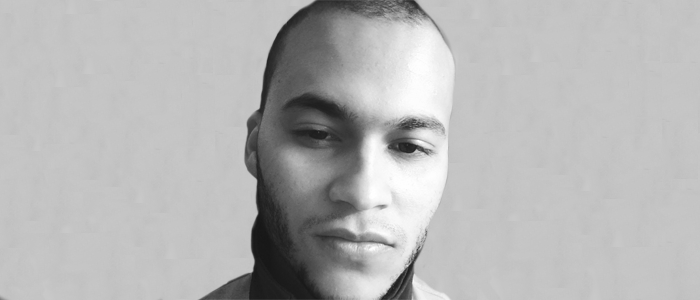
Cesar William Gonzalez Bueno, better known as CWILLIAM, was born in the Dominican Republic. At a very young he discovered his passion for music and started to learn all he could about it. When he was...
According to IFPI’s annual Global Music Report, Latin America saw a 25.9% spike in revenue in 2022, with Mexico — one of its biggest markets — up by nearly the same amount (24.3%). The only region in...
According to IFPI’s annual Global Music Report, Brazil became the world’s ninth biggest market in 2022, landing right in between Canada and Australia. Adding to its position as a global power player...

BLANCA STAR OLIVERA was born Blanca Adela Olivera Cavero in Madrid, Spain. She is a recording music producer label, founder of a music publishing indie company, composer, and recording artist, and...
When we talk about song parodies and satire in music, the first name that comes to mind is probably “Weird Al” Yankovic. His parodies of songs, from Michael Jackson to Nirvana to Lady Gaga, made him...
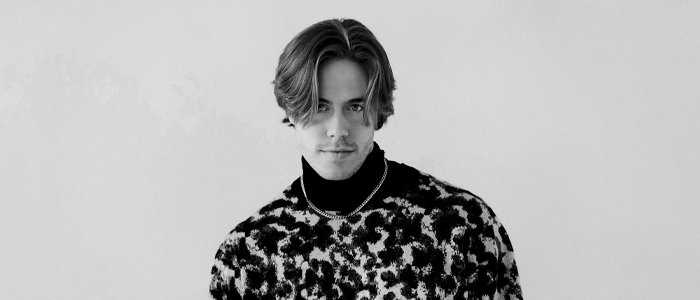
Somewhere between a suburban misfit and a loudmouthed twenty-something, PLVTINUM isn’t your typical squeaky clean pop star. The singer/bedroom producer draws inspiration from the sonic textures of...
Radio broadcasting plays a significant role in the British media landscape, led by the publicly-funded and genre-agnostic British Broadcast Corporation (BBC). Unlike in the U.S., terrestrial radio in...
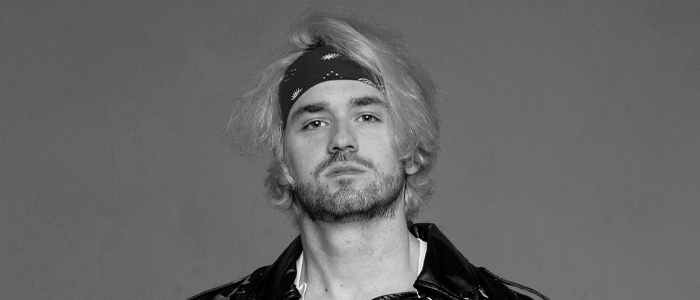
In just over five years, American artist/producer Kevin Brauer has exploded onto the international electronic music stage as SEVENN. Sevenn’s first release, the collaboration with Brazilian DJ...
The music industry didn’t just enjoy its seventh straight year of growth in 2021. According to the BBC, international revenue increased at the fastest rate in more than two decades. So fast, in fact,...
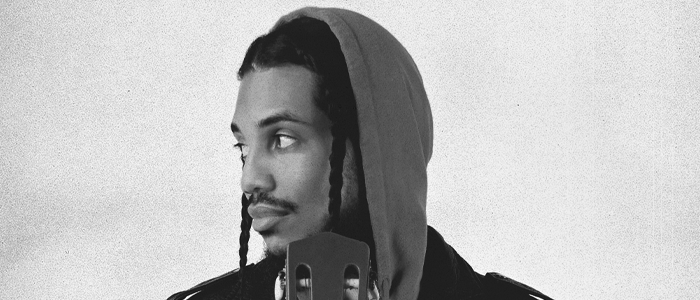
Producer and recording artist DaVinChe has a career glittered with impressive collaborations with the likes of Ghetts, Giggs, Kano, Wretch 32, Bugzy & Young T, Stormzy, Cleo Sol, Kele (Bloc Party),...
We get a lot of questions asking us what the differences are between what Songtrust does, and what SoundExchange does. This makes sense - both companies collect royalties, both names start with an...

CLARA WARNAAR is an NYC-based drummer and percussionist who plays with the band Infinity Shred and the International Contemporary Ensemble. Her solo work, by contrast, is mainly ambient and...
Ensuring your fans are able to listen to your music is the primary concern of any recording artist. It would be impossible for you to send your music individually to every one of the hundreds of...
Producers have long flown under the radar in the music industry but they are starting to get more public attention; for example, producer tags are now very common, especially in hip-hop.
While the film “One Night in Miami” depicts a fictionalized night of conversation between Sam Cooke, Malcolm X, football star Jim Brown, and boxer Cassius Clay, there was one piece of dialogue that...
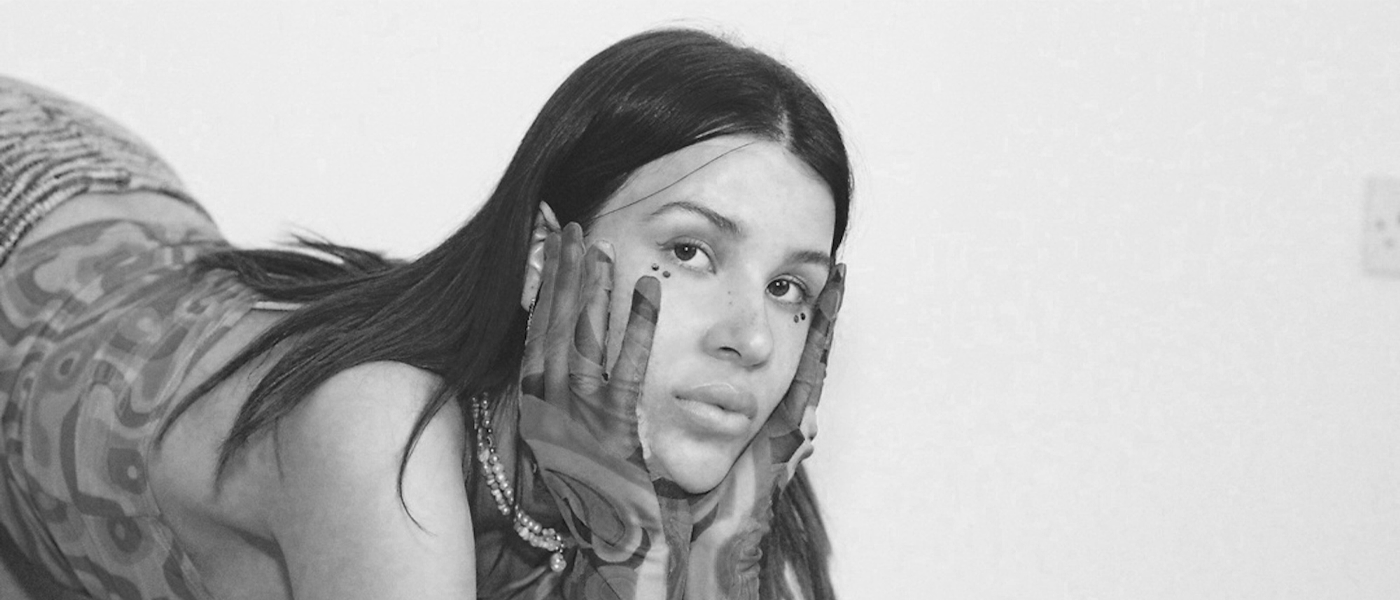
ZOEY LILY writes, produces, and performs melodic alt-pop tunes. She combines her soft, soothing vocals with organic sounds, electronics, and influences of Hip-hop music. Young Zoey has always been...
Over the last decade, video games have gone from a fun pastime to the main source of entertainment for younger generations. Or as The Guardian put it in a recent opinion piece, “video games have...
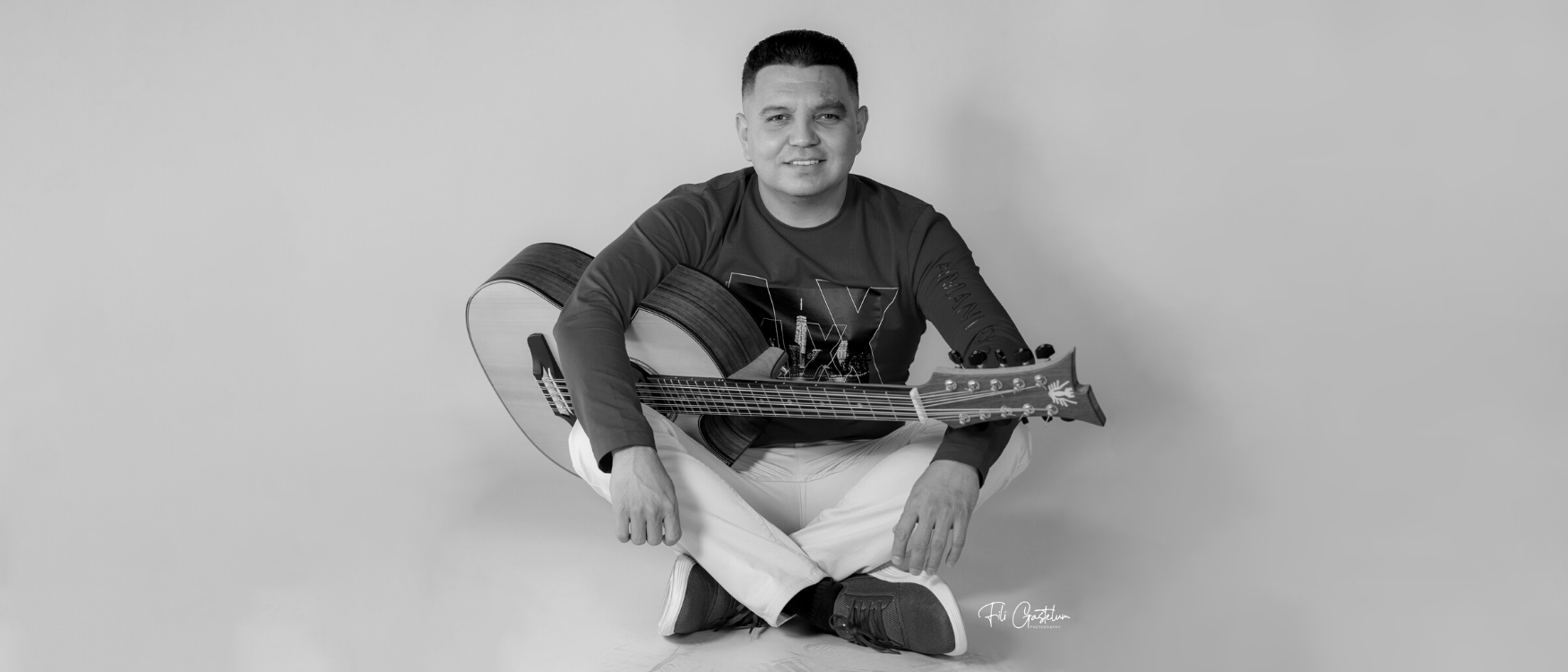
After 15 years in the music industry as a singer, composer, and producer, 2020, has been a very important year for LUCIANO LUNA, a year in which he received his first Latin GRAMMY as a producer for...
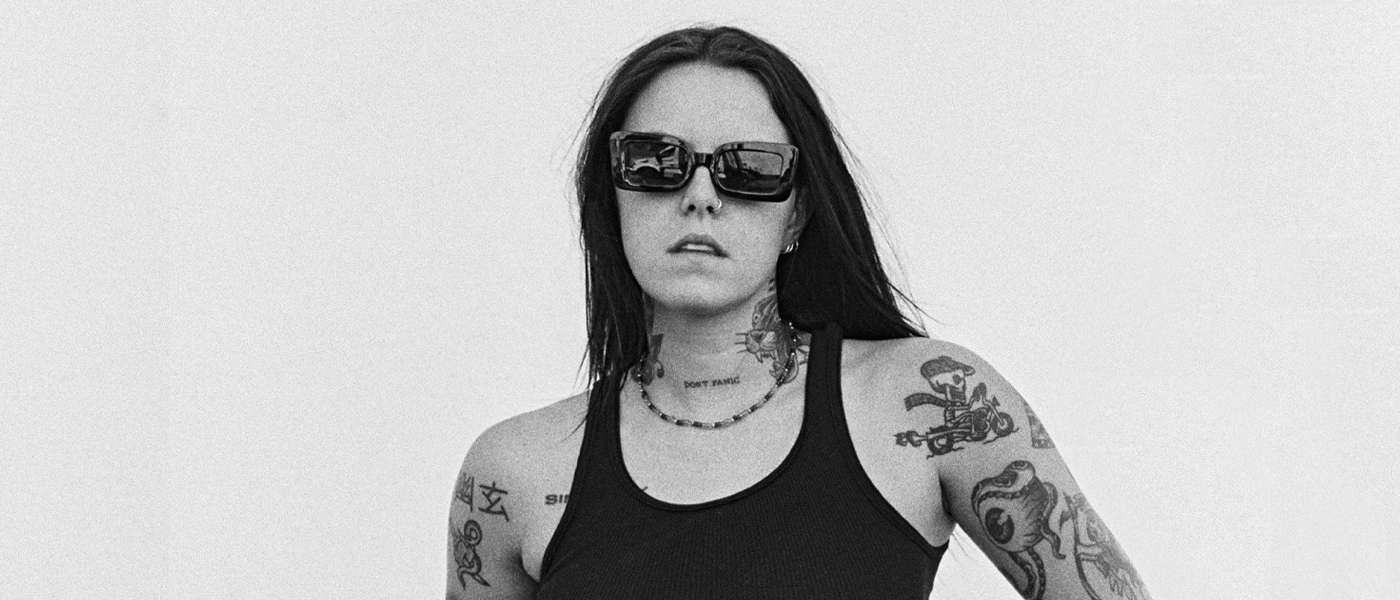
LAUREN SANDERSON, an LA-via-Indiana singer/songwriter, made a big statement in 2020 with her debut full-length, "Midwest Kids Can Make It Big," brimming with the same wide-eyed wonder, confessional...
La industria de la música, especialmente la editorial, está llena de siglas. ASCAP, BMI, IPI y DSP son solo algunos pocos ejemplos. Los compositores que trabajan también se ven obligados a...
Songtrust’s mission is to enable songwriters and other rightsholders to collect all of the publishing royalties their songs earn. We do that not only with our best-in-class administration service,...
For most music creators, making their music available where people can listen to it is a crucial step towards making a living as an artist. And, with a lot of online distribution options, it’s never...

OUTLOUD is a queer boy band formed in NYC that just released their debut single “What’s Not Clicking.” Comprised of four members, the boys are focused on creating music that is bold yet cheeky while...

Armed with just samplers, an electric guitar, and her voice, GIUNGLA has fast developed a reputation for her breathtaking and visceral live show. She’s played alongside The xx, Foals, Grimes, Franz...
The past few years have brought both progress and deep challenges for the LGBTQ+ community. From the ongoing effects of a global pandemic to the powerful calls for racial justice across Black, Brown,...

Currently based in Bolivia, South America, FHERNANDO is an up-and-coming multi-genre music producer and artist, with a penchant for writing infectious music and relatable narratives. Fhernando is...
What makes a song “yours”? This feels like a philosophical question. You probably associate Whitney Houston with “I Will Always Love You,” as her legendary performance will always be the standard....
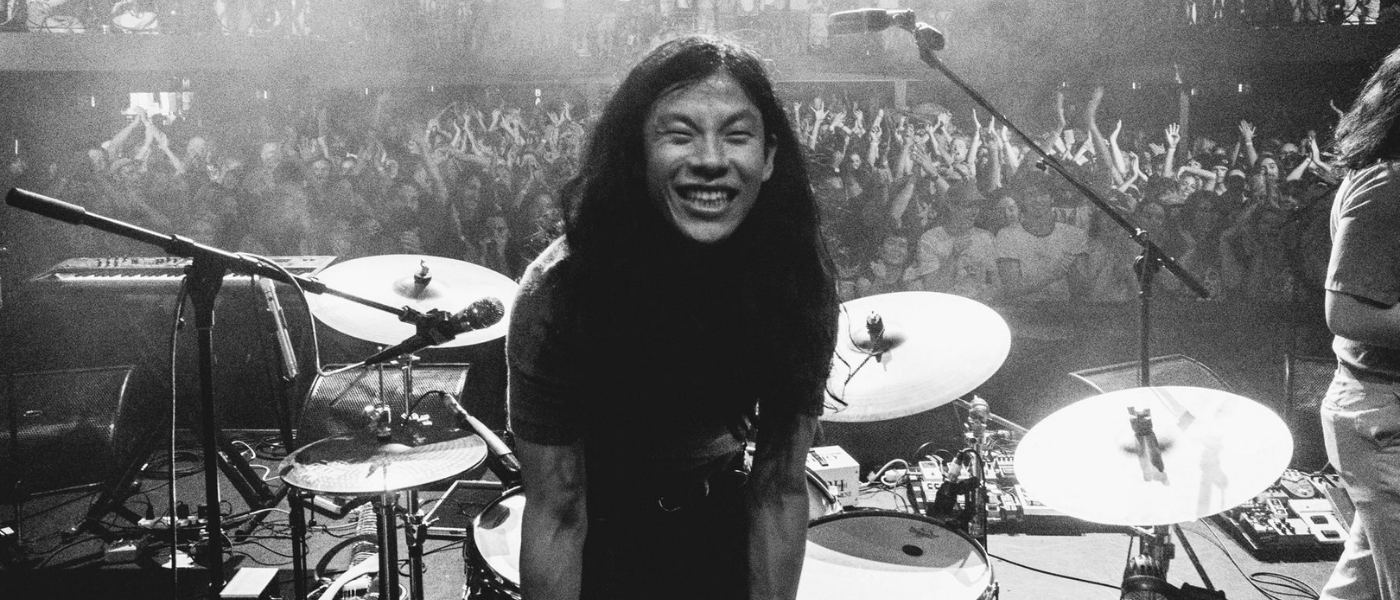
GO KUROSAWA, born and raised in Japan, is a drummer and vocalist in 幾何学模様Kikagaku Moyo. Meaning geometric patterns and founded in 2013, Kikagaku Moyo is a psychedelic rock band from Tokyo that plays...

DEREK POPE is no stranger to the road less traveled. Growing up in Oakland, California, he moved to Los Angeles at the age of 22 and quit his day job four years later after achieving some breakout...
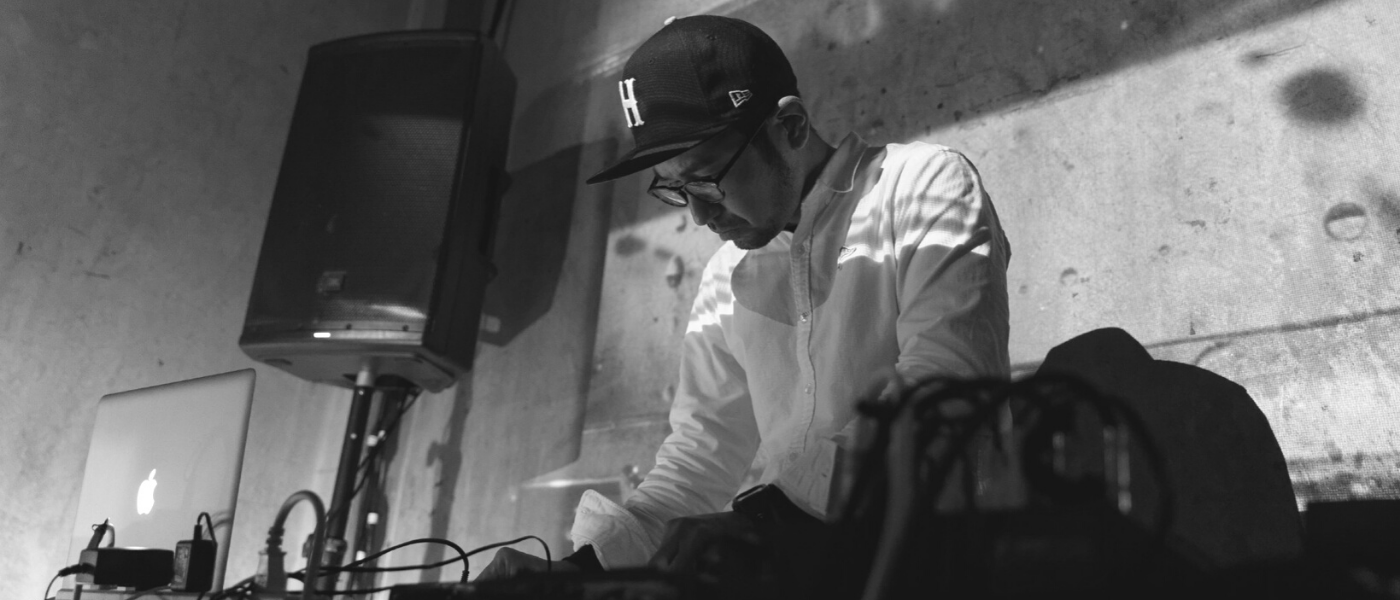
Hidekazu Imashige, aka GALLERY SIX, is an artist and composer who is based on Miyoshi Hiroshima, Japan. He began his career as a musician playing drums and then in 2008, he started making ambient...
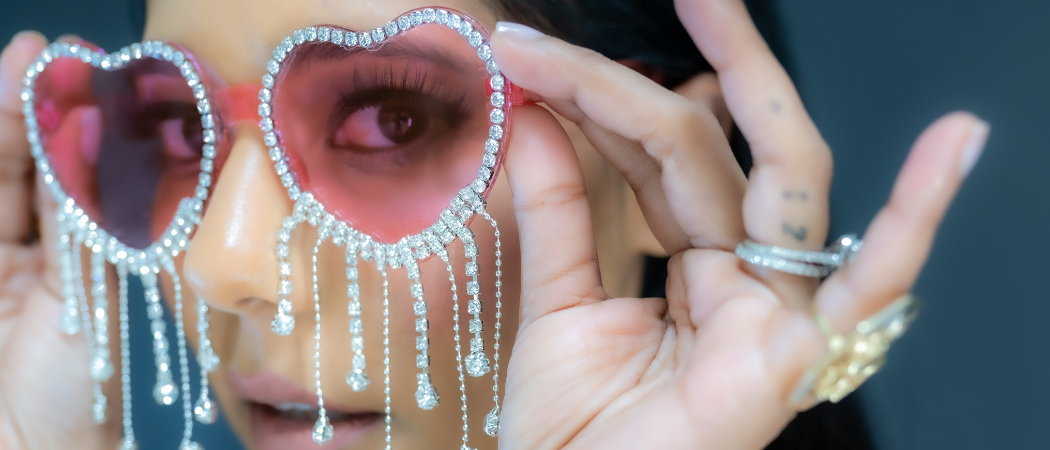
AdELA, a South African born, Florida raised, Atlanta native is triple-threat. She’s a singer, songwriter, and rapper thriving as an Independent Artist.
Songtrust to Administer Full Stones Throw Publishing Catalog, Including Artist-Writers Knxwledge, Peanut Butter Wolf, Mndsgn, and More
Whether you’re hosting a jam session in your basement or helping a pop star write their next hit single, collaborating with other musicians can be an incredibly productive way to create new material...
Music royalties are payments distributed to you for the use and/or reproduction of your music. To understand the importance of music publishing, a complex but vital piece of your music career, you...
According to the RIAA’s annual year-end report, streaming platforms were the music industry's biggest source of revenue in 2021, far surpassing physical sales and digital downloads at $12.4 billion —...
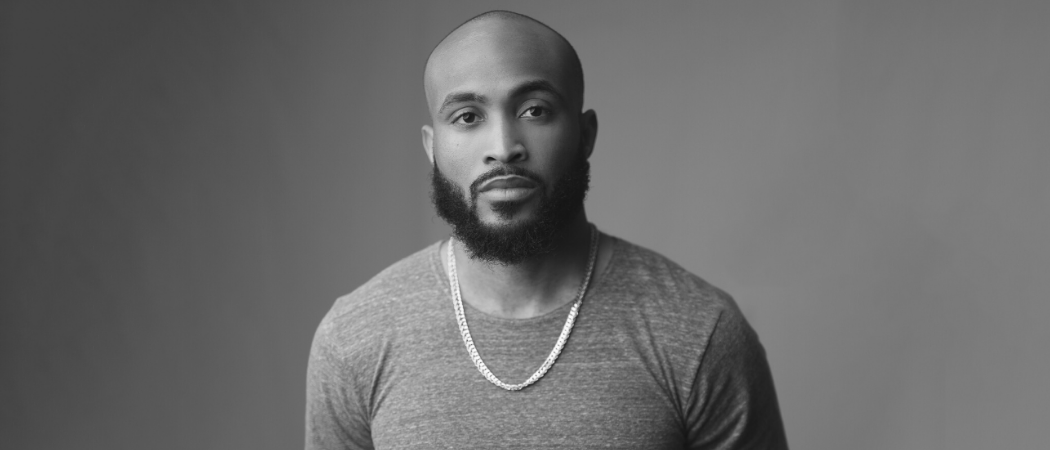
WILL GITTENS is a recording artist from Trinidad and Tobago who has generated over 20 million streams across streaming platforms. Known for his smooth vocal take on today’s hottest songs, Will...
In January 2021, The Mechanical Licensing Collective, also known as “The MLC,” began administering blanket mechanical licenses, in addition to collecting and distributing mechanical royalties, for...
Women working as performing artists, songwriters, producers, and on the business side of the music industry have long bonded with each other over stories of sexual harassment, being scolded for...
The high-dollar advance is a highly sought-after and much-discussed phenomenon in the music industry. Many musicians and songwriters hope to get signed by a major label or big-time publisher and get...
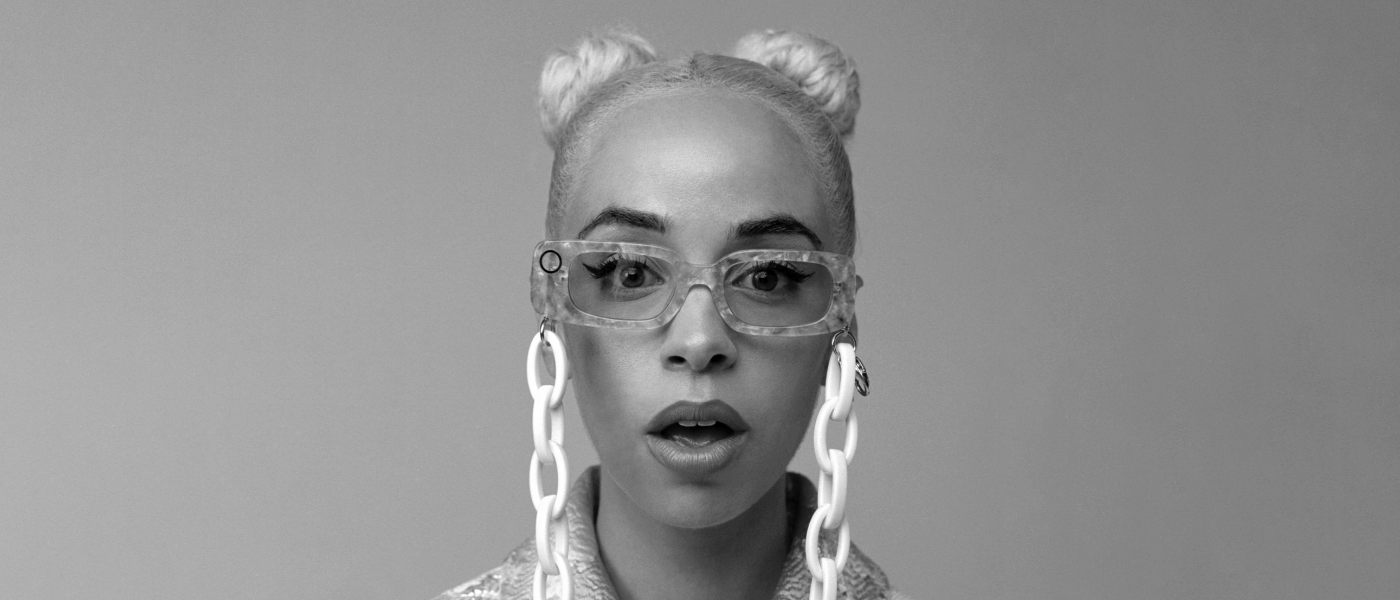
Hailing from Nottingham, BEKA was raised on the likes of Quincy Jones' Back on the Block album, Stevie Wonder, and Chaka Khan, and discovered her love of pop when Spice Girls entered the scene....

Ruth Eno Adjoa Amankwah Nyame Adom, known professionally by her stage name ENO BARONY, is a Ghanaian rapper, singer, songwriter, performer, and humanitarian. As a child, Eno Barony performed in...

Oregon native, ALEXANDRA SAVIOR, first gained industry attention as a teenager when she posted a cover of Angus Stone’s “Big Jet Plane” on YouTube. The playful, haunting performance landed her a...
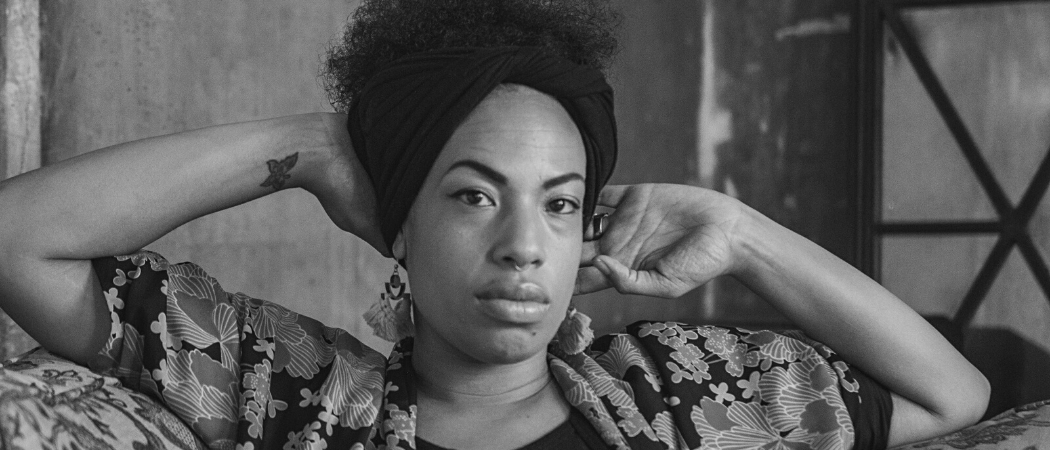
LADY NADE started writing poems and songs as a form of healing from grief, performing in venues across her native city of Bristol. Her work developed into a calling to connect with her fans on a...
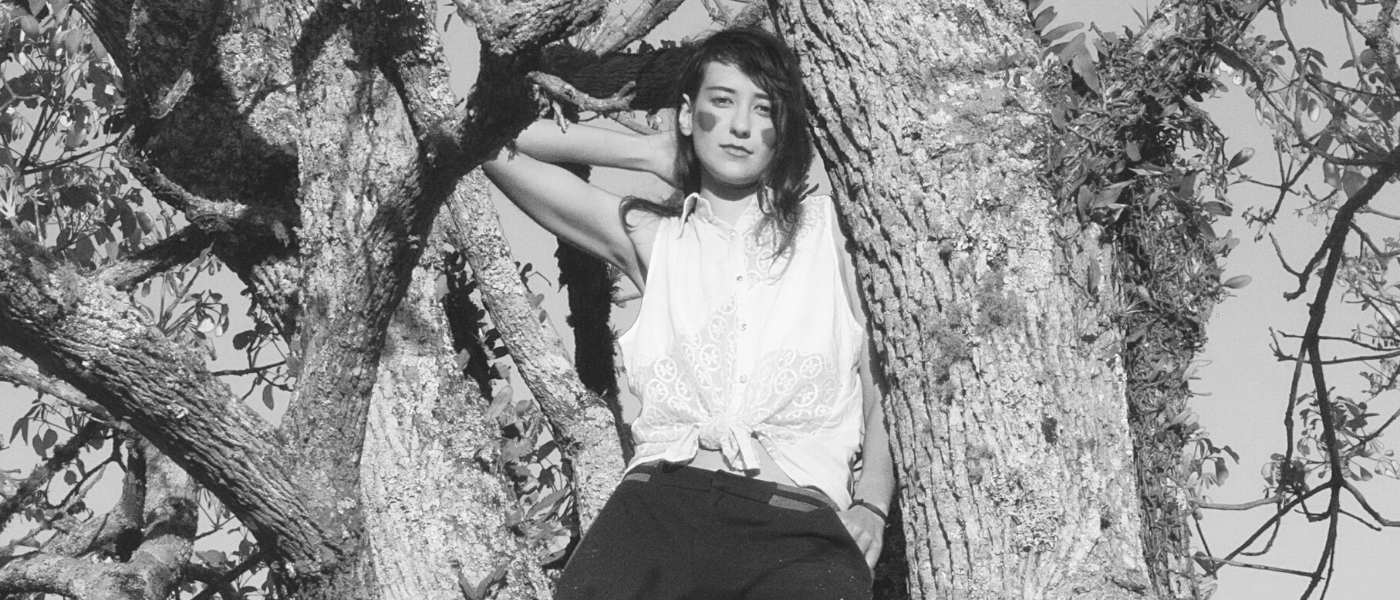
ROSIE MANKATO is a singer-songwriter, producer, and guitar-maker based in southern Brazil. While secluded in the woods, Rosie experiments with organic and electronic sounds. Distinctive and unique,...
On Sunday, March 14th, the 63rd GRAMMYs took place, celebrating musical achievements and creativity from the last year. Across the categories, six Songtrust songwriters were recognized for their...
Songtrust is a publishing administrator who is working to get all of your hard-earned publishing royalties collected and reported in one place, but what happens behind the scenes? How does Songtrust...
Music publishing can be a key revenue generator for authors and rightsholders in the music industry. However, in order to maximize those opportunities, it’s crucial to verify what the copyright law...
Songtrust's Collections Network Increases to 215 Countries, Covering More Than 98% of the Global Music Market
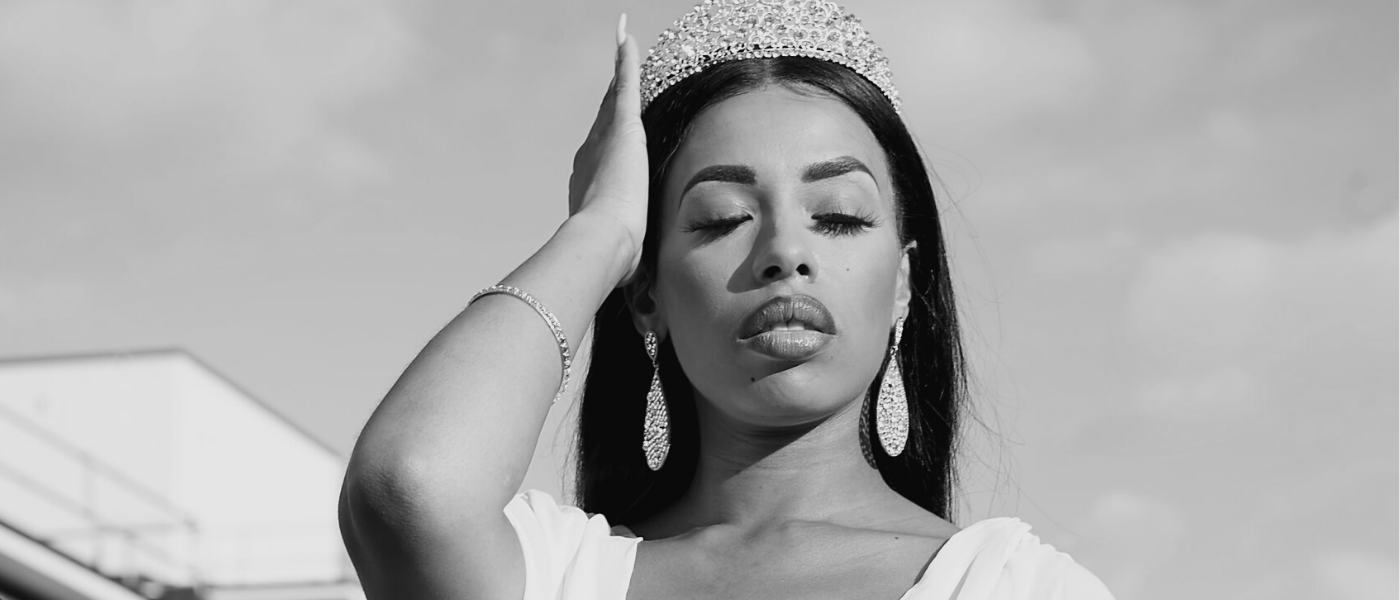
Hailing from the city of Leicester, female rap artist TRILLARY BANKS has undoubtedly solidified her position within the ever-expanding UK music landscape - with over 10 million YouTube views across...

Hailing from Birmingham, UK, SILLKEY was ordained with his moniker at just 5 years old after consistently wowing the seasoned musicians that would come through his father’s recording studio. His...
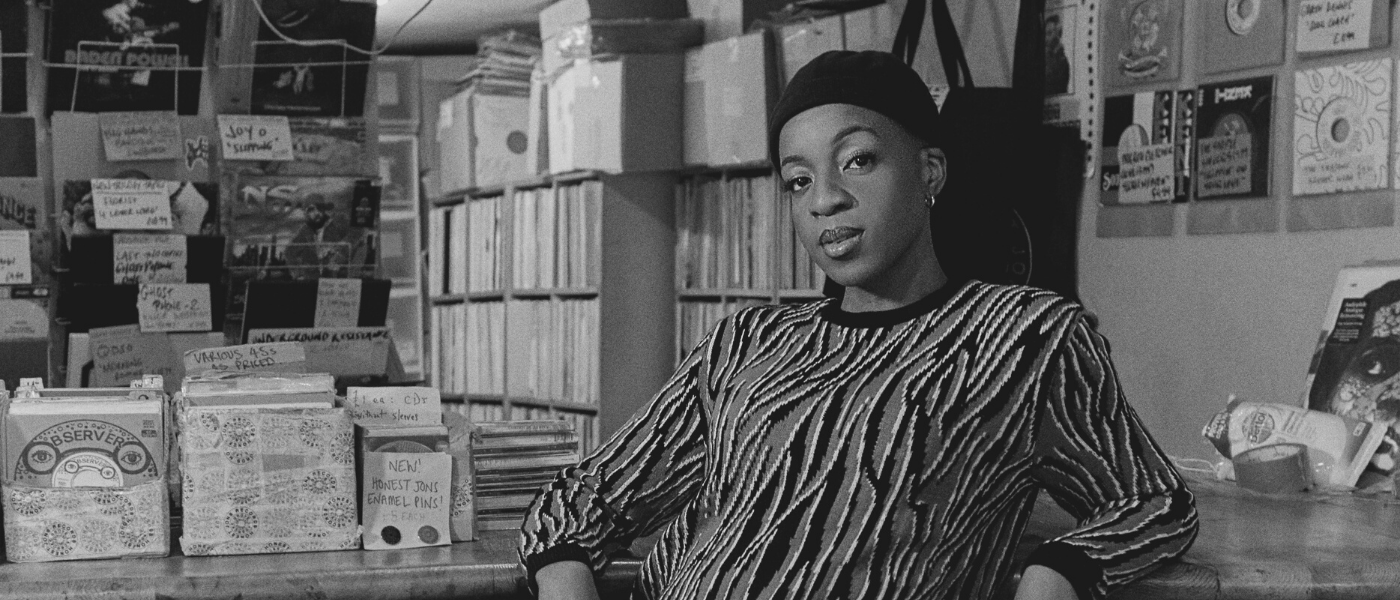
EMMAVIE is a triple threat singer/songwriter, producer, and DJ from London whose music is an amalgamation of 90s R&B and her love for digital audio experimentation. Having released music with...
Disclaimer: The information provided below is not to be considered legal advice. Songtrust cannot provide legal advice or assistance but does encourage you to do as much research as you can, ask...
Songtrust Continues To Scale Its Music Publishing Administration Services Worldwide, With Its Client Base
Disclaimer: The information provided in this article may vary from country to country and is US-centric. Songtrust cannot provide marketing or creative advice but does encourage you to do as much...
As your career develops, you will find that you need professional support to help you grow. One area you may need support in is around your media visibility and public image, which is where...
The New Clients Include DMY Artists (Dummy), Fast Friends, Red Fish Music (Snapper Music), Tenwest, TRIBE Management, Jawdropper Management, and Kormac.
Disclaimer: The information provided below is not to be considered legal advice. Songtrust cannot provide legal advice or assistance but does encourage you to do as much research as you can, ask...
Dear members of the Songtrust Community,
This article was originally published in Music Ally. For the music industry, 2020 will go down in the history books as a very challenging year. With the impact of COVID-19 felt globally, everyone...
We’re nearing almost a full year into the COVID-19 pandemic and it’s safe to say that the COVID-19 virus has upended nearly everything we took for granted: How we socialize, how we shop, and how we...
From the ways we gather to hear live music to how we buy our groceries, there’s hardly a single thing the COVID-19 pandemic hasn’t turned upside down. The disruption has hit many industries including...
Songtrust Will Administer the Publisher’s Full Catalog For the World Outside of the United States and Canada
The 63rd GRAMMY Awards are taking place on January 31st, 2021 and the complete list of nominations have been announced. We are thrilled to share that 19 Songtrust songwriters contributed to 14...
A Lifelong Advocate for Women in Music, Neuman Wants To Empower Women and Marginalized Communities By Working To Model The Behavior We Need To See in Music
Metadata is one of the most important, yet troublesome, elements of the modern-day music industry. Because of inconsistent recording info, millions of dollars never make their way to the right...

LELE PONS is a multi-talented entertainer that has risen to prominence with her Instagram and YouTube content, creating videos for more than 41M Instagram followers & 16M YouTube subscribers which...
To many songwriters, lyrics can feel like the most difficult element of a song to get right. For those of us who come to songwriting from a musical background, words can feel arduous and abstract to...
In June of 2018, Dutch producer YoungKio uploaded an unassuming track to BeatStars in the hopes of leasing it out and making a little extra money. Lil Nas X — a musician looking to make TikTok memes...

CHIEF. is a 23-year-old producer from Salt Lake City, Utah. His emotional, deep thought music contains sounds ranging from conventional instruments such as pianos, guitars, synths, etc. to everyday...
In another article, we went over ways to generate income through streaming services when you’re stuck at home. What we didn’t discuss was the types of royalties (if any) these platforms can earn you.
Since 2018, More Than 95% of Songwriters, Producers, and Creators in Africa Are Unpublished, With This Number Increasing As The Continent Goes Digital Highvibes, the simplified music distribution and...
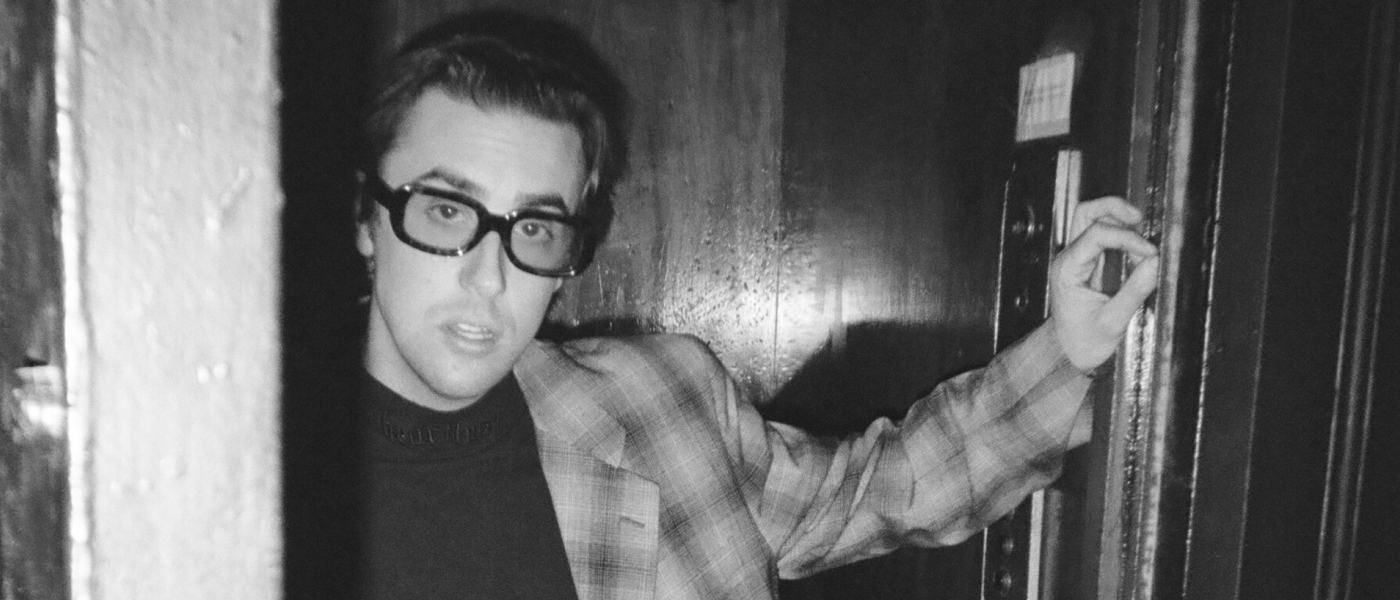
RICKY JAMES is a Boston-bred, NYC-based artist and songwriter whose sound is not bound by genre. Since emerging in early 2019, he has released two EPs, shared stages with acts like 24kGoldn, and...

In nature, wildflowers signify freedom. Nobody plants them. Rather, they blossom on their own. The same could be said of THE NATIONAL PARKS. Since emerging in 2013, the Provo, UT quartet - Brady...
Former President and Chief Product Officer of Songspace, Darren Briggs, Joins Songtrust as the Company is Pacing for its Third-Straight Record Year of Growth Songtrust®, the world's largest global...
The role of a manager varies widely within the music industry. From pitching music to labels to handling your music publishing, the goal of a music manager is to support you and your career, and go...
Hearing your song on the radio or in a television show is a great feeling, but have you ever wondered how (or if) those uses earn you royalties as a songwriter? The short answer is yes; even if your...
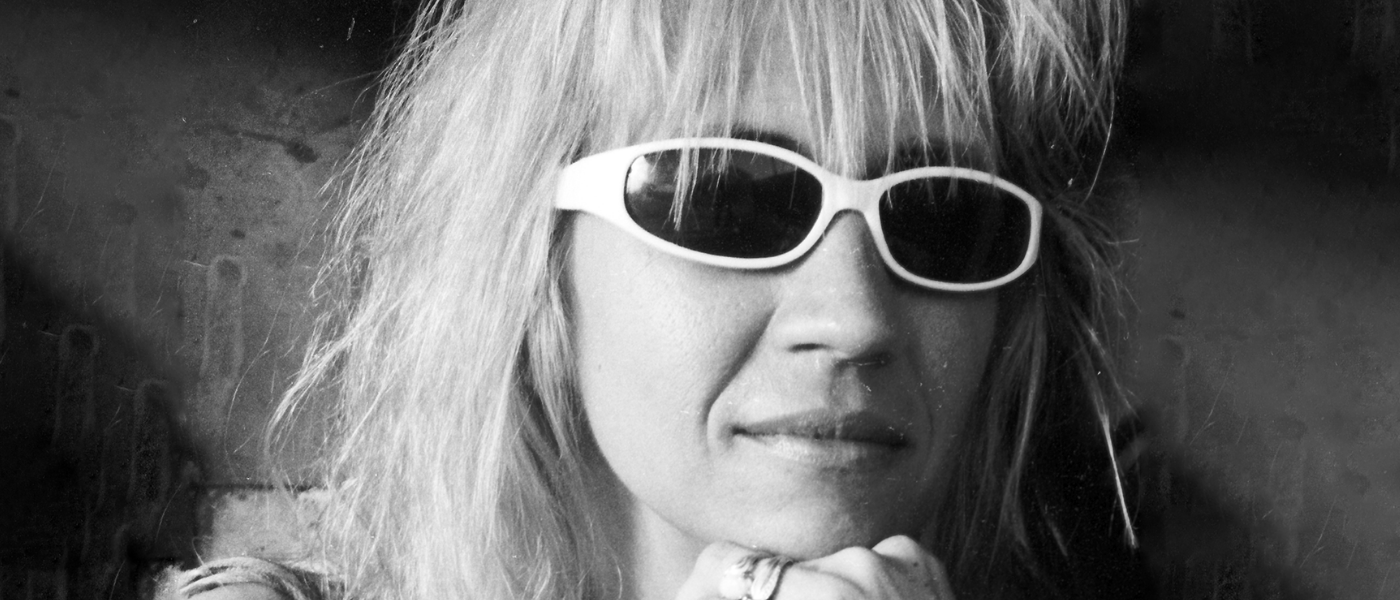
As a band manager, road guru, and family matriarch, GLORIA CAVALERA is the embodiment of dedication to the cause. Across countless international tours, millions of albums sold, and millions more...
En la década transcurrida desde su lanzamiento en EE. UU. en el verano de 2011, Spotify se ha convertido en la plataforma de transmisión de música líder en el mundo, con más de 345 millones de...
The music industry is made up of many different components — including streaming outlets, merchandise, sync placements, and publishing — but one of its biggest, oldest, and most vital moving parts is...
When you’re at the beginning of your music career, the music industry can seem like a giant fortress. You’re circling the walls looking for a way in, but the drawbridge is up, and the gates are...
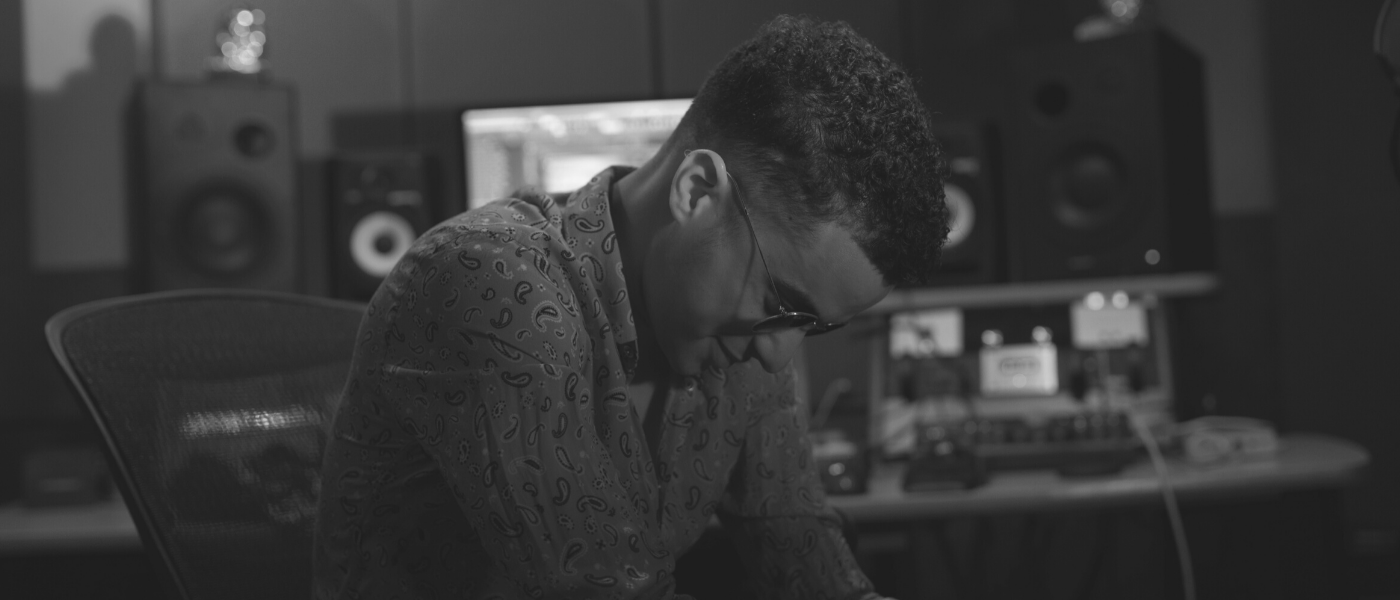
JOHAN ERRAMI aka 'Red Jacket' is a French music producer, songwriter, and DJ based in Los Angeles. Originally from Lyon, France, he started to learn music programming when he was studying Finance in...
A crucial part of music publishing is how pay sources, collection societies, and publishers work together to ensure songwriters receive what they earned. Reciprocal agreements (which we’ll expand...
When it comes to collecting the royalties your songs earn, there are many types of pay sources in the U.S.
The music industry — especially the publishing side — is full of acronyms. ASCAP, BMI, IPI, and DSP are just a few examples. Working songwriters are also forced to familiarize themselves with...
A common misconception within our industry is that collection societies like ASCAP and BMI meet all of a music creator’s publishing needs. While essential, these organizations only account for a...
Rob Wetstone Joins as Head of Client Relations, With Dewayne Ector and Sean McGraw Each Being Promoted to Global Head

SEAN O'LEARY has combined his passion for music and art with his talent for making creative people thrive under his management to found SYFR PROJECTS. Sean’s background includes over 8 years in...
Music fans everywhere are familiar with the biggest names in music. However, it’s interesting to learn that many music fans aren’t as familiar with the most prominent names in songwriting.
Getting booked to perform during the Super Bowl Halftime Show is regarded as one of the most monumental milestones a performing artist can have in their career. The performance takes place on one of...

AKINYEMI AYINOLUWA is a Partner and Co-Founder at HighTower Solicitors and Advocates in Ikoyi, Lagos, Nigeria. With his practice spanning over 9 years, he specializes in representing clients in the...
YouTube can be a lucrative and audience-building platform for creators, artists, and songwriters, but it also tends to confuse even the most experienced users when it comes to monetizing videos and...
You’ve probably heard the phrase “it’s who you know” before, especially if you work in the music industry. On one hand, it’s easy to shrug this sentiment off, and on the other, many argue there’s a...
In the decade since its U.S. launch in the summer of 2011, Spotify has become the world’s leading music streaming platform, with over 345 million active users and 150 million subscribers globally.
Today, we are excited to announce that Songtrust President, Molly Neuman, has been honored by Billboard on its 2019 Women In Music list. In an industry where women only make up 21.7% of artists,...
One of the most vital steps in ensuring you collect all your royalties is affiliating with your home collection society. This allows you to officially register your songs for royalty collection and...

GRIFFITH FRANK is an award-winning singer and RIAA certified multi-platinum songwriter hailing from Topanga, California. He spent his formative years developing as a musician and songwriter under his...
As many creators and industry leaders know, the music industry is ever-evolving and adapting with new technologies and legislation that affect the entire landscape. To truly progress, companies...
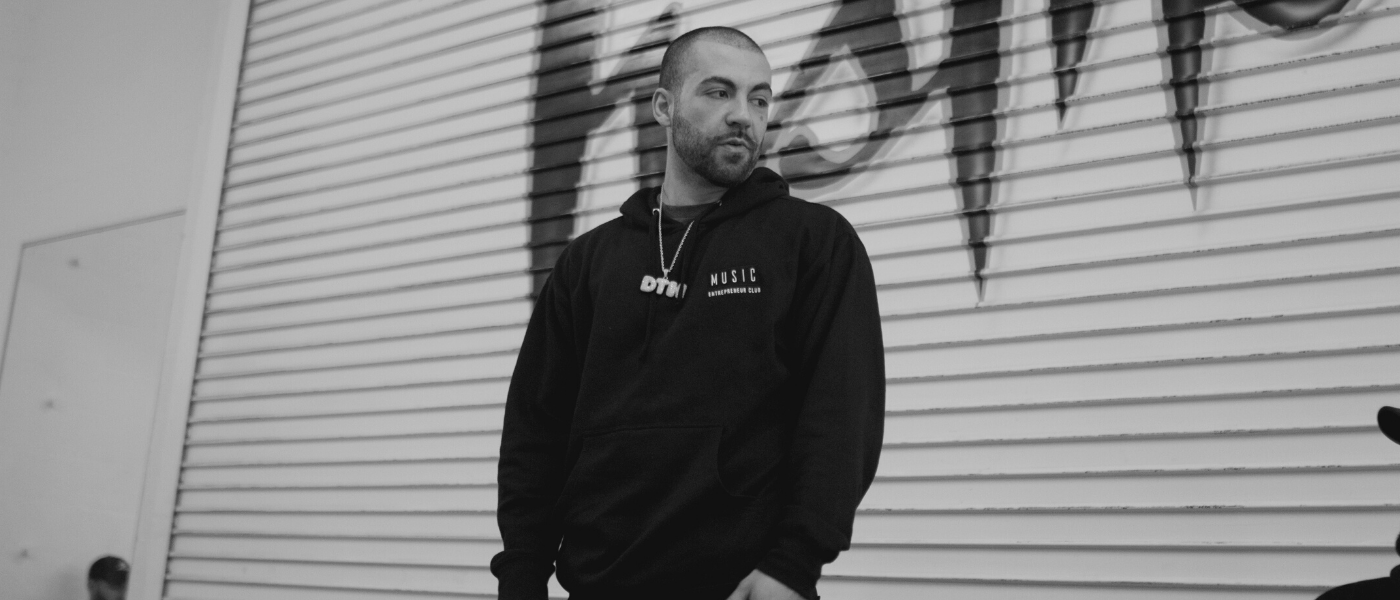
DJ PAIN 1 is a platinum producer and DJ whose production credits include Jeezy, Ludacris, Rick Ross, Pusha T, 50 Cent, Public Enemy, Meek Mill, 2 Chainz and many more. He is also a founder of the...
We encounter it time and time again: a songwriter doesn’t understand why their work isn’t fully registered in their account. While we’ve streamlined the registration process for Songtrust clients,...
Whether you label yourself a producer, composer, beat-maker, singer-songwriter, or performing artist, you’re a creator to the core. And if you’re creating music — whether it’s composing alone at the...

TESSA VIOLET has gone from an acoustic-leaning solo artist to an inspirational female fronting a shredding live band (anchored by badass drummer Jessica Bowen), all within the time since her last...
Lyrics are often overlooked in favor of the more immediate melodies and hooks when people discuss great songwriting, but a masterful turn of phrase can mean the difference between a memorable song...
Songtrust’s goal is to be the technical partner to the publishing industry, whether that’s individual creators, management companies, law firms representing musicians, boutique publishers, record...
Music publishing is a complex, often confusing topic, even for those of us who work in the industry every day. The following article is a perfect starting point for making sense of it all: seven...
Back in early 2019, we embarked on a unique adventure with the Music Entrepreneur Club and its co-founders, Damien Ritter and DJ Pain 1. The goal: to bring specialized topics and expertise to...
Today, we announced the recent addition to our team, Richard Aurigema, as Vice President of Copyright. Richard will lead our copyright administration team and continue to work to position Songtrust...

LOST STORIES is a name synonymous with Dance Music in India and South Asia. Ranked #52 and labeled the ‘Scene Starters’ by DJ Mag (2016-17), Rishab and Prayag began their journey through dance music...
Sometimes a song bursts forth on its own, fully formed and ready to be shared with the world. These are the moments creators live for — the ones that make all those false starts and long nights feel...
We spend a lot of time answering questions about music publishing here at Songtrust. The biggest one by far centers around whether or not creators even need traditional deals anymore. After all, if...
Mechanical royalties are earned through the reproduction of copyrighted works in digital and physical formats. They are paid out to songwriters as songs are sold, downloaded, and streamed. The...
When starting out as a songwriter, chances are good that you wrote strictly for yourself. You were still learning your craft, and these first efforts may not have been ready to show to others (or at...
Songtrust, the world's largest technology solution for global music royalty collection, today announced the company has delivered significant year-over-year growth, with strong increases in its...
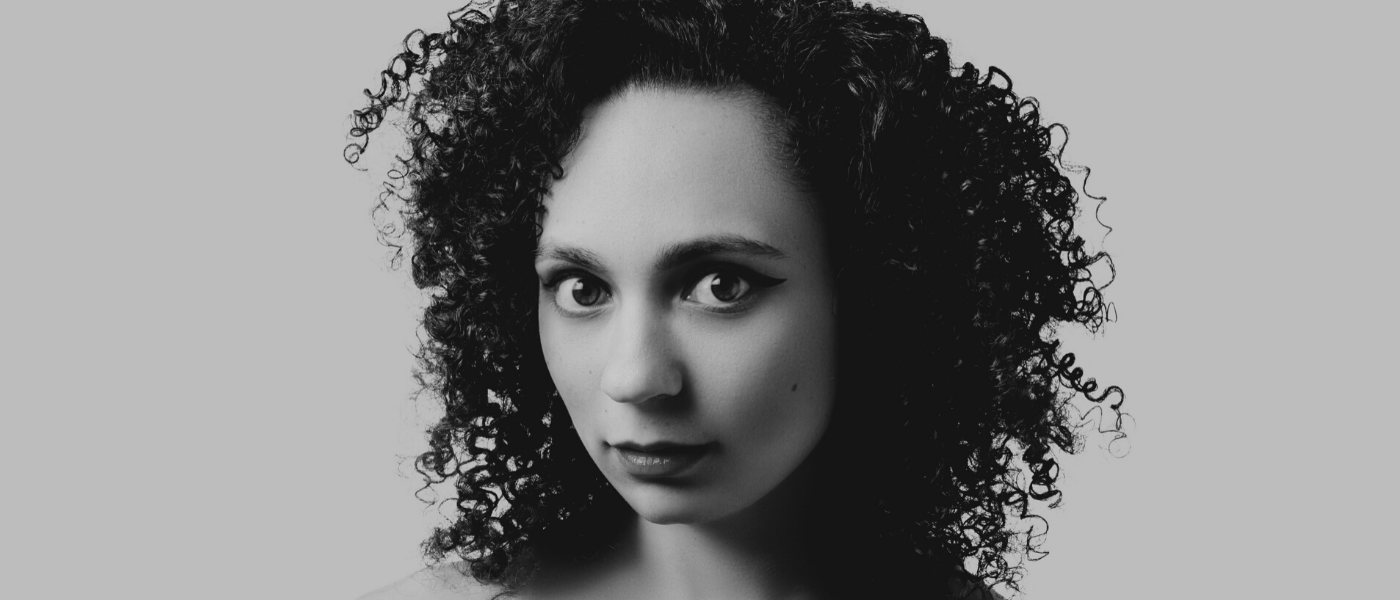
Award-winning artist SHELITA is the archetype of what is possible for artists as she integrates her talents in Data Science into her Pop music career. Raised in Seattle, Shelita made her first...
Built for independent creators, publishers, and businesses by fellow songwriters and industry experts, our Modern Guide to Music Publishing will help you better understand how your songs earn money...
Many creators are wary of learning how songwriting actually works — as if understanding the elements of a song makes their music less genuine or “real”. We’d like to challenge that notion today;...
Songtrust, the world's largest technology solution for global music royalty collection service and publishing administration, announced today the latest addition to its global team with Lara Baker as...
Note: This article focuses on how composition royalties are split in most countries, but many societies outside of the U.S. break down writer and publisher shares differently. If you’re unsure of how...

Nick Bitzenis a.k.a. "NIKKON" is a London-based music producer, artist, songwriter, DJ, and owner of UNDO Records (UK). Nikonn is involved in many music projects, productions, and remixes. He did the...
Being an audio engineer is about more than setting microphone levels and flipping switches. To ensure that having a studio is both fun and profitable, it helps to follow a few rules — and make sure...
As an independent songwriter, it’s absolutely vital that — to quote The Clash — you know your rights.
A derivative work is a new composition created using elements from one or more preexisting works, such as a remix. It is primarily a U.S. copyright term.
Between PROs, IPIs, and ISRCs, you’re probably feeling a little fatigued by all the acronyms in music publishing at this point. The following article should help provide some clarity on the key...
A collective management organization, or CMO, is a non-profit organization responsible for registering, tracking, and collecting publishing royalties after they’ve been earned, and paying them out to...
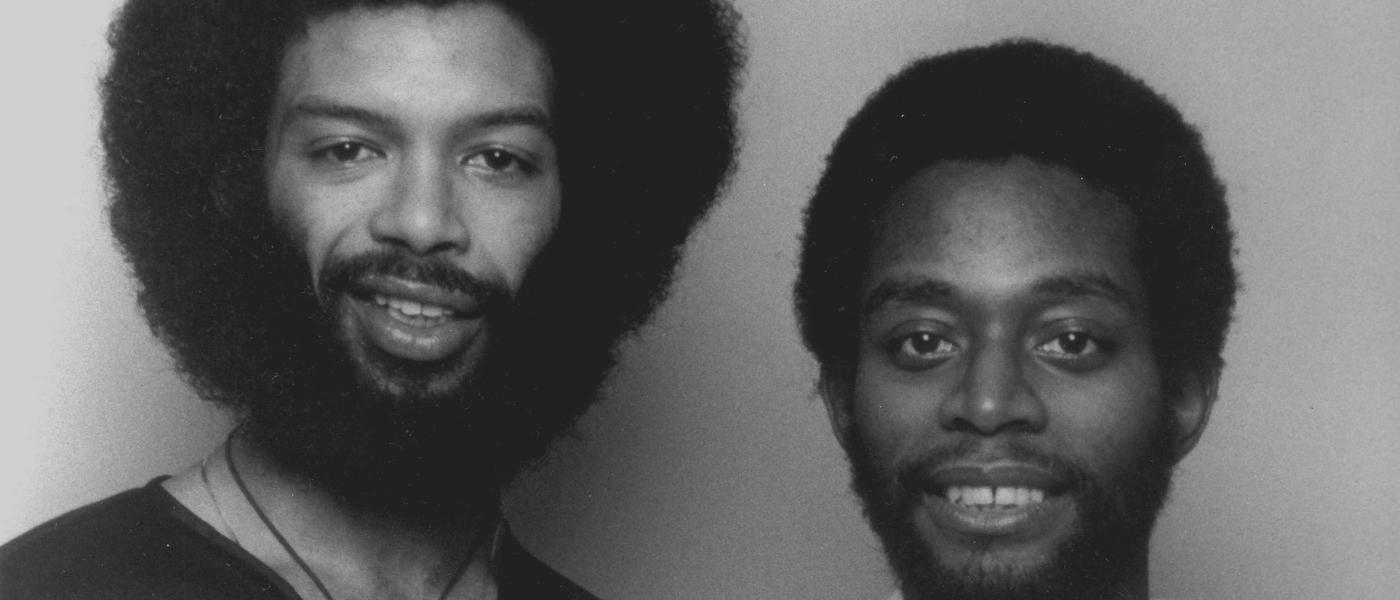
BRIAN JACKSON, of the power duo Gil Scott-Heron & Brian Jackson, wrote, arranged, and produced over 10 albums over an eight-year period. Time and time again that music has found its way onto over 100...
At Songtrust, our mission is to connect songwriters, bands, producers, and all the people that work with them to the publishing royalties they are earning around the world. We believe fiercely in...
One of the most important concepts in music publishing is how each recorded song has two unique copyrights, or two “halves.” Knowing how these halves co-exist is essential to understanding the unique...
Given changes in the music industry in recent years — particularly direct distribution platforms that enable creators to work directly with streaming services, download stores, and physical retailers...
The tools needed to write a song can be as simple as what many songwriters have used throughout the centuries: a piece of paper, a pen, and an instrument. But in the 21st century, a songwriters are...
There’s no denying that streaming royalties are now a primary source of revenue for many songwriters. This is a complex area to cover, so we’d like to clarify where things currently stand within the...
The weeks leading up to Tax Day in the U.S. can be a flurry of stress and difficult decisions for just about anyone. This is particularly true for the artists and songwriters making a living in the...
Mechanical royalties have been around almost as long as recorded music itself, dating back to when the industry was reproducing songs on player-piano rolls. We’ve come a long way from those days, and...
Songtrust, the world's largest technology solution for global music royalty collection service and publishing administration, today announced the creation of a Global Society Relations department,...
YOUTUBE MUSIC is a new music streaming service made for music: official songs, albums, thousands of playlists, and artist radio plus YouTube’s tremendous catalog of remixes, live performances,...
Songtrust, the world's largest technology solution for global music royalty collection service and publishing administration, announces Anna Bond is joining as Director of Business Development, North...
Even if you’re new to the music business, you’ve probably heard about royalties: the revenue earned whenever a song is played, whether it’s live, pre-recorded, or streamed.
You probably already know the importance of having an Electronic Press Kit (EPK). A good EPK is the primary tool you or your band have to get the attention of the media — a mighty challenge in this...
If you’ve begun to explore the broad topic of how songwriters actually earn money writing music, you may have come across the term “sync.” One of the most potentially lucrative opportunities...
CRUNCHY FROG RECORDINGS is an independent record label based in Copenhagen, Denmark. It was founded in 1994 by the four members of the band, THAU. Though no longer underground, the philosophy remains...
Neighbouring rights, an oft-misunderstood and commonly overlooked right type, has become increasingly relevant for performers, producers, and record labels. The neighbouring rights sector is a...
Songtrust, the world's largest technology solution for global music royalty collection service and publishing administration, announced a new business partnership with distribution company Symphonic...
Sometimes the business of being a songwriter can seem overwhelming — a revolving door of tasks ranging from registering with a Performing Rights Organization (PRO) and Collection Management...
A major frustration the music community faces today is songwriter and producer discovery. There is not a single destination that displays credits, and the sources that aim to do so lack easy...
Songtrust, the world's largest technology solution for global music royalty collection service and publishing administration, announced today a new business partnership with creator platform...
Launched as the “first artist-owned streaming service” with the help of such heavyweights as Beyoncé, Madonna, and its most famous board member (JAY-Z), TIDAL has made supporting new music its core...
AFEM (Association for Electronic Music) is the trade body for the entire ecosystem of Electronic Music, from Labels to Live, Managers to Media, Technology to Talent. They connect their worldwide...
Our team is frequently asked, “who is a co-writer?” A common practice in the music industry, co-writing is when composers, artists, and/or producers collaborate and create a finished project together.
As 2018 came to a close, our team went back and looked at all the data we had collected over the last year looking for trends that might stand out and give us insight into what we could expect for...
Disclaimer: The following article discusses how mechanical royalties apply to music publishing’s U.S. market. The examples, collection processes, and pay sources mentioned within may vary in...
There’s no denying the value of having a publicist in your camp. Today’s music publicists often double as digital strategists and serve a key role in the distribution of new releases through...
Los Angeles, New York, Nashville, Seattle, and Austin may all be epicenters of American music, but there are tons of incredible music destinations in between those cities that are woefully...
The Songtrust Team announced today new additions to its leadership team, with Brad Yuan joining as Global Head of Rights Management Operations and Noam Mantel as Songtrust’s Head of Product.
As the music industry’s largest online community, SoundCloud provides independent songwriters a significant platform for reaching new and old fans. The only problem is it’s crowded with millions of...
Whether or not you need a music manager depends on where you are and want to go with your music career. According to Digital Music News, managers were once the main liaison between artists and their...
As a songwriter, retirement isn’t exactly at the forefront of your mind - finishing your song, setting up that next gig, and getting new equipment is more likely. However, retirement is ultimately...
Shortly after I started at Songtrust and during the early conversations I had with candidates for roles on our team, we talked about how we would speak to the creative community about why it might...
A song’s beat can sometimes be as important — maybe even more so in the case of EDM and hip-hop — than its lyrics or melodies when you’re trying to make a hit track. But when a beat is created by...
While newer than its rival Spotify — Trent Reznor and Zane Lowe helped launch it in the summer of 2015 — Apple Music’s ties to original digital music store iTunes makes it one of the music industry’s...
Professional songwriters can generate different sources of income from their songs in the same way authors create additional income by turning a novel into a movie, TV series, or graphic novel. It...
For many songwriters and musicians, the idea of signing a publishing deal sounds like reaching the pinnacle of success. In fact, some music creators find it so exciting that the only question they...

MARSHEAUX is a Greek electro-pop duo, whose name is derived from the first syllables of its member's names: Marianthi Melitsi and Sophie Sarigiannidou. Originally from Thessaloniki, they moved to...
Songtrust congratulates General Manager and Co-founder, Joe Conyers III, and Global Head of Business Development, Molly Neuman for being among this year’s Billboard’s Digital Power Players.
As a singer who records and produces her own vocals, I’ve already been through the lengthy process of “learning by doing.” After years of hitting record without a plan in place, the mistakes I’ve...
Touring can be a terrific experience no matter what happens, but the feeling of driving for hours to perform for a new audience in a new city and showing up at a venue that doesn’t fit the vibe of...
It takes more than hit songs and a hot sound to turn music into a full-time career. Working with a distributor and publisher will help you manage the business side as well — not just the fun part.
Spotify has become a wildly popular streaming platform over the past decade. So popular, in fact, that it can feel impenetrable for many indie musicians and songwriters. (As of 2021, Spotify boasted...
There are few experiences more exciting for a songwriter than hearing your music played or streamed for the first time. It’s proof that the act of creating music is a reward in and of itself.

AROWAGENCY is an Australian-based music company specializing in artist management, digital and social media marketing, publicity, and event management. With combined experience across marketing,...
After many frustrating years for those in music rights management, a sensible, timely framework for managing the complicated business of music rights came into view in 2018. Artists, songwriters, and...
Founded in 2004, HEADCOUNT is a nonpartisan nonprofit organization dedicated to voter registration and voter engagement. Working with a small, core staff and a national network of volunteers, they...
Picture a traditional recording studio scene: there’s the artist or band, their manager, maybe an A&R rep, audio engineer or tight-knit team of songwriters all working out tracks together.
On the surface, the Music Modernization Act (or MMA) is a bill that changes the way mechanical royalties are paid out to copyright owners, and how statutory boards and courts regulate collective...
One of the first financial decisions you’ll make as a band is how much to charge for your gigs. And while I’d like to say that setting an appropriate price gets easier the more you play, the truth is...
Multiple studies have shown that playing music is the most popular function for smart speakers — ahead of getting the weather and news — and that smart speaker owners are more likely to pay for music...
ZOO LABS teaches business to artists, empowers them as entrepreneurs, and directs resources towards their ventures. The process starts in their onsite intensive Zoo Labs Music Residency Program and...
Songtrust, the leading technology solution for global music publishing administration, today announced its continued growth with the company’s first full-time representatives based in Atlanta, Los...

CHRIS "KATO ON THE TRACK" JU is a Record Producer/Entrepreneur based out of Atlanta, GA. Kato was formerly signed to an independent label, Funk Volume, and has produced for artists like Jarren...
Since joining Songtrust in December of last year, I’ve been on a lot of planes. Visiting Austin, London, Tallinn, Toronto, Nashville, Los Angeles, Cannes, Sydney, Adelaide, Singapore – and our team...
The way the US government views the definition differs from the way the music industry has evolved to view and make deals in regard to the writing splits of songs.
Splitting credits between a song’s co-writers can be tricky. Do you distribute them equally among band members, even if the lead singer wrote its lyrics and the hook everyone’s gonna hum for the...
All industries — whether it’s marketing, business matters, or music — host conferences for its members to exchange ideas and network. For many songwriters, writing, recording, and playing music can...
When you're on the road with little time to spare, it’s not always easy to grab a pad and a pen to scribble down a song lyric, or find a piano to flesh out the perfect chord. Maybe you have a...
Feeling like you’re stuck in a never-ending cycle of deadlines, putting out fires, and zero progress? It’s the absolute worst. How are you supposed to get ahead and thrive if you’re constantly...
If you are a songwriter with commercial work that’s been publicly released, you may eventually receive a Notice of Intent (NOI) letter stating that a third party wants to record or distribute your...
As a songwriter, you are the publisher of any works you’ve written until you grant that right to another person or company. And as a publisher, you may want to set up your own “personal publishing...
Unless you’re one of those rare human beings who somehow manages to not let criticism penetrate your ego, it can sting quite badly when people have not-so-nice things to say about your music;...
The current economy continues to make it difficult to make ends meet for many of us. We may have readjusted our spending habits, and no longer shop as much as, or where, we used to — we may settle...

Singer-songwriter and Colorado native, LAURA BREHM is revealing more of her true potential with each song. With releases that hit the top of the Hype Machine popular chart and landed in iTunes Dance...
Are you a full-time artist with a widespread catalog of songs gaining traction online and elsewhere? Or at the very least, on the way to landing your first breakthrough single? If you’re already...
Live performances are an important part of every artist’s career, and knowing all the ways you can make money from them is vital. That means it's important to make sure you're getting the most out of...
Writer’s block happens to everyone — even the most passionate songwriters. It can be the most frustrating thing being unable to create new songs because you're unable to think of new ideas, stuck on...
Before I started at Songtrust, my knowledge of music publishing was very limited. In fact, the only real knowledge I had of the music industry was about music supervising and sync licensing, but the...
One of the most commonly used but least understood terms in music publishing is “copyright.” The simplest definition is a form of intellectual property that is granted protections that are...
THE SUPERFAN COMPANY (from the team that brought you ZinePak) creates one-of-a-kind programs and products that engage superfans. They bridge the gap between like and love by creating 100% custom,...
PLEASE NOTE: Before you consider resigning from a pay source or collection society, such as a Performing Rights Organization (PRO), please know this is a major decision that will likely have adverse...
If you’ve found yourself here, we expect that you have some basic knowledge of what synchronization is (and if you don’t we highly suggest heading to this article to learn more). And, hopefully,...
The rise of creative AI has some songwriters and publishers understandably fearing for their future. Will AI-generated music ultimately compete with artists and songwriters for real estate — and...

Writing infectious pop melodies from a young age, EMMA MCGANN grew up with the likes of Alanis Morissette & Imogen Heap on repeat. Small-town girl Emma has since molded those melodies into colossal...
As an independent writer and musician, the words “music publishing” always gave me anxiety. Whenever it was brought up, it felt like someone was reminding me of an essay or test I had yet to start...
Professional songwriters and musicians can earn more money today than ever before. However, that doesn't automatically mean they're going to be set for life. We've all seen the hard-luck stories of...
It’s important for up-and-coming songwriters and musicians to consider every possible avenue for earning more royalties. Here is a brief list of ways you can attract more listeners and finally land...
Whenever songwriters use ordinary conversation in lyrics, the song quickly becomes very direct and very personal. It’s a profoundly effective technique, despite its simplicity. Conversational lyrics...
I've always believed that songwriters and musicians are some of our very best storytellers. Storytelling lends itself to visibility and representation, which fosters a sense of community. Community...
Launched in April 2018, TRACKLIB is the world's first and only music service that enables music creators to discover, sample, and license original recordings. It solves a problem that has been...
We’re in an awakening of mainstream LGBTQ representation in music where artists all across the spectrum can find success in their careers, but there is still a significant amount of work to be done...

MOLLY NEUMAN, formally the Global Head of Business Development, is now President of Songtrust, the world’s largest global royalty collection service and publishing administrator. At Songtrust, she...
I take delight anytime I’m at a tech gathering and no one brings up blockchain or bitcoin. It’s a buzz word and very few actually know what it means or what it entails. Blockchain is very fetch in...
Having a hit single in your home country is one thing — a revenue stream worth seizing if you already have a local PRO or CMO in place to help you collect royalties. But what if a record spreads like...
Unallocated royalties are royalties that are generated by song usage, but never paid out to a specific artist, performer, or songwriter due to missing information. If you haven’t properly registered...
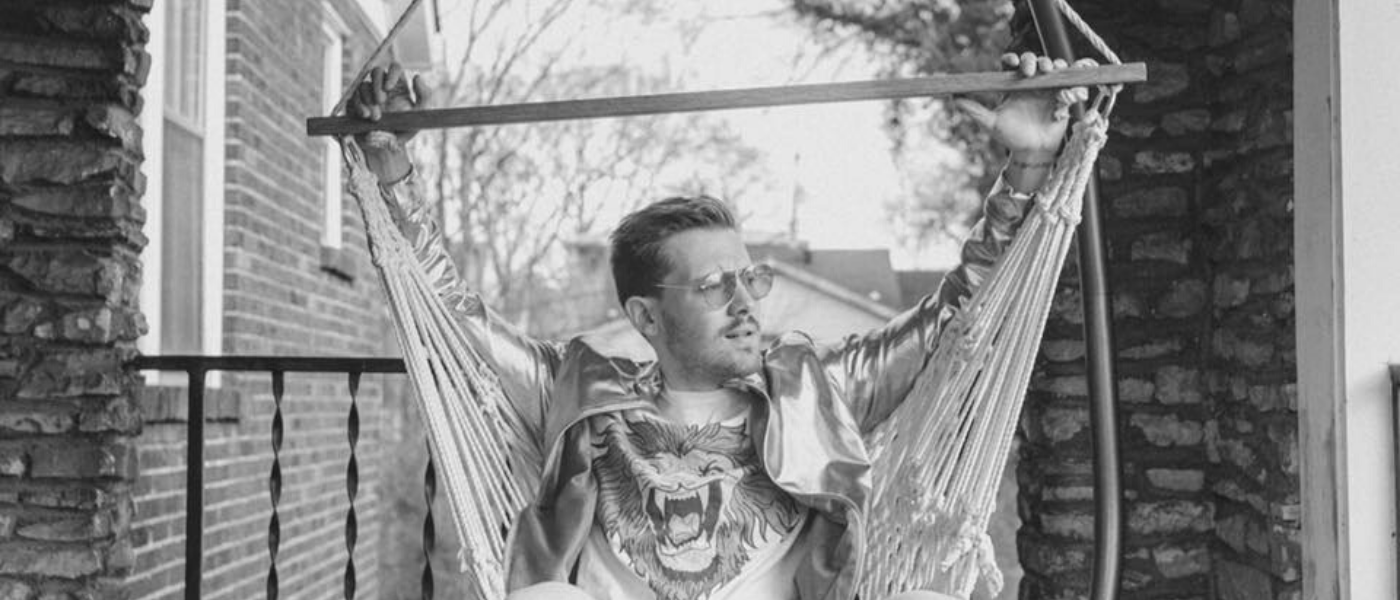
Atlanta-born, DAVIS MALLORY is a singer-songwriter, DJ, actor, and former reality TV star appearing on MTV’s The Real World: Denver and three seasons of MTV's game show The Challenge. Afterward, he...
For the last century or so, traditional publishing deals have been a bedrock of the music industry. In their simplest form, they’re a tradeoff: you give up a percentage of your ownership and...
PANDORA’s Artist Marketing Platform (AMP) is a suite of free, self-serve marketing tools to help artists promote their music and careers. These tools support the artist’s goals of breaking music,...
The first day into my first job in music publishing, my boss took me aside and said, “Give it time, Mandy. It will take many years to master music publishing administration.”
Like any other entrepreneur, songwriters may experience cash flow problems sometimes and need to look for a loan or a credit line to keep the lights on. However, unlike businesses that own familiar...
Hitting the road in support of your latest songs can be an exciting experience. Even so, it's important to remember that touring isn't just an opportunity to travel and meet fans; it’s also a chance...
Now that on-demand outlets like Spotify and Apple Music dominate the market — accounting for 83% of the music industry’s total revenue as of 2020 — there’s really no way of getting around how...
We're excited to announce we now enable over 150,000 songwriters to collect their publishing royalties worldwide!

Based in Dallas, TX, BRIGITTE MENA is a singer-songwriter, that, over the years, has been involved in several music projects including pop, soul, and Motown band, TBA Music, and former Dallas indie...
Katie Jelen of Secret Road Music Services — a Nashville-based music publisher — once said she hears the words “I want a [publishing] deal!” more often than “we should grab coffee sometime.”
When songwriters dream of making it big, it usually involves winning an industry award, a viral hit, or another beloved artist performing their songs. But a major part of building a successful career...

A proud native New Yorker, JULIA PERNICONE is also a pop music lover and cappuccino enthusiast. She began her career in music singing in choirs, and eventually writing songs and playing in bands. Her...
Whether you write original material alongside other musicians, producers, or a tricky combination of the two, one critical discussion that impacts the careers of most creators is a songwriting split...
Songwriting comes to each person in a different way; it’s easier for some than others. It's not uncommon for songwriters to experience burnout, and many careers have plateaued or ended completely...
For many songwriters, becoming an international sensation can be a lifelong dream. Thanks to an ever-growing global connectivity, it’s not only possible, but increasingly a reality. At this very...
Conceptually speaking, covering and sampling music can be considered two sides of the same coin. Covers involve the intellectual use of pre-existing material — a reinterpretation of an existing...
Savvy musicians know that YouTube is a great way to locate current and potential fans around the world. If you’ve started your own YouTube channel, you’re well on your way towards developing those...

Based in Ghana, Africa, Derek Amoah Asare, also known as DRVMROLL, is a music producer who has been making beats since 2010. His career was launched after the rapper and fellow Ghanian, Sarkodie,...
While many setlists have been (and undoubtedly will continue to be) hastily scribbled on napkins and scraps of paper, that doesn't mean they're not valuable. After all, a handwritten Nirvana setlist...
Creators often overlook the critical steps that come after writing and recording a song, but it’s a major part of defining yourself as more than just a mere writer or musician. While tedious, getting...
Studying healthcare and gender studies in college, with a focus in women's health, I didn't think that by working in the music industry I could bring so much of my college education into my job. But...
Most people aren’t aware of it, but music publishing touches nearly every aspect of our lives. From the first song you remember hearing on your parents’ scratchy turntable to the ones you hear piped...
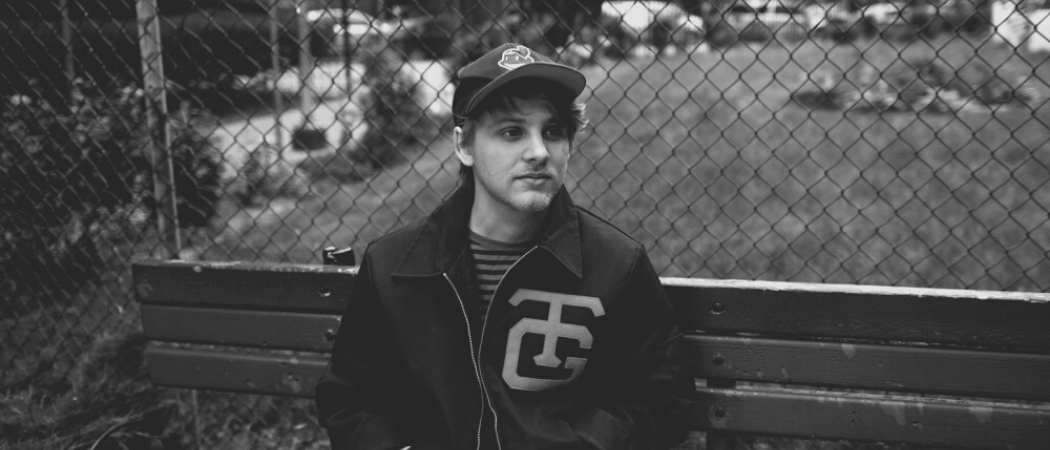
Upon arriving in Syracuse after growing up in Brussels, LORENZO GILLIS COOK was introduced to the fast-paced, lo-fi sound of the American house show scene. Though he had been making music for years...
Once you’ve written, produced, and/or composed a song and started to distribute it, royalties are earned anytime it is reproduced or publicly performed. This revenue is split into recording-generated...
I had the privilege to moderate a panel last week at South by Southwest (SXSW) with Money Mark, Ted Leo, and Rebecca Gates on the need for the music industry to look to our artists and songwriters...

Born in New York and raised in Montreal, COMMON HOLLY (AKA Brigitte Naggar) puts unpredictable compositional elements into a singer-songwriter/folk framework, packaged in textured, eclectic...
Songtrust is often asked about how we work alongside Performing Rights Organizations (PROs), the collection societies that help license, track, and secure the performance royalties your composition...
As an artist, sharing the hard work you’ve put into your songs is just as important as the songs themselves. You have so many options when it comes to connecting with your community — digitally on...
I spent Valentine’s Day digging through fourteen million digital streaming assets trying to match them to those from our clients in our system. Three weeks later and I’m still not done. I don’t say...
As a songwriter, you probably spend a majority of your time refining, reworking and iterating your work until it’s perfect. It’s not easy, especially when you’re just starting out, and your time can...
International Women’s Day gives us a chance to celebrate women’s achievements and reflect on what more we can do in our lives and in our companies to promote gender parity. Discussion and focus...
As more and more independent musicians find their footing in an increasingly competitive industry, traditional publishing deals — an advance and creative services in exchange for a controlling...
You've written a song — working tirelessly to make it perfect — and now it’s finally done. While you’re ready to share it, you quickly realize it must be registered if you want to make any money off...
Songtrust is proud to welcome Molly Neuman, former record label owner, A2IM VP, and Kickstarter's first-ever Head of Music, to our expanding team as Global Head of Business Development.
Songtrust, the world’s most popular royalty collection platform for songwriters and music publishers, has announced a breakthrough agreement with pan-European licensing hub, ICE Services Ltd. Under...
Songtrust is growing at a rapid pace, so it only makes sense that we’re adding some serious new talent to keep up with demand. We’re proud to announce that Amsterdam-based industry veteran Mandy...
Everyone involved in making original music — including band members, producers, songwriters, and composers — has the right to own a portion of their work and collect publishing royalties. To ensure...
As a music creator, especially one that is striving to have a full-time music career, there is so much that you have to do and keep up with to ensure that the music you worked so hard on is now...
You may know that performance royalties are owed to songwriters when their songs are performed live in concert, whether by themselves as a performing artist or by another performer. But how do you...
While streaming has become the way most people listen to music, it’s a broad term that can apply to anything from listening to an online radio station to watching a YouTube video.
Many historians trace the first radio transmission back to Christmas Eve 1906, when Reginald Fessenden used a handmade device to broadcast from Brant Rock, Massachusetts. Those lucky enough to tune...
Find your voice, and you’ll find what makes your sound truly unique. This doesn't mean your potential has peaked, or there is no more room for growth. It simply means you found the musical track you...
While it’s easy to tell a talented songwriter to “just write,” there’s a big difference between half-baked lyrics and a surefire hit single. Practice makes perfect; here are some tried-and-true paths...
We often get asked by songwriters about the benefits of self-publishing as opposed to entering into some form of publishing agreement. As an independent songwriter, you have a few different...
Great ideas, catchy melodies, unforgettable hooks — they don’t always come when it’s most convenient, but that just means that creators should be prepared to document their ideas at any time. Here...
Sign Up For Music Publishing Tips, Product Announcements, And Industry News.
.png?width=23&height=24&name=x_logo-black(twitter).png)


Copyright © 2025 Songtrust. All rights reserved. A Downtown Company.